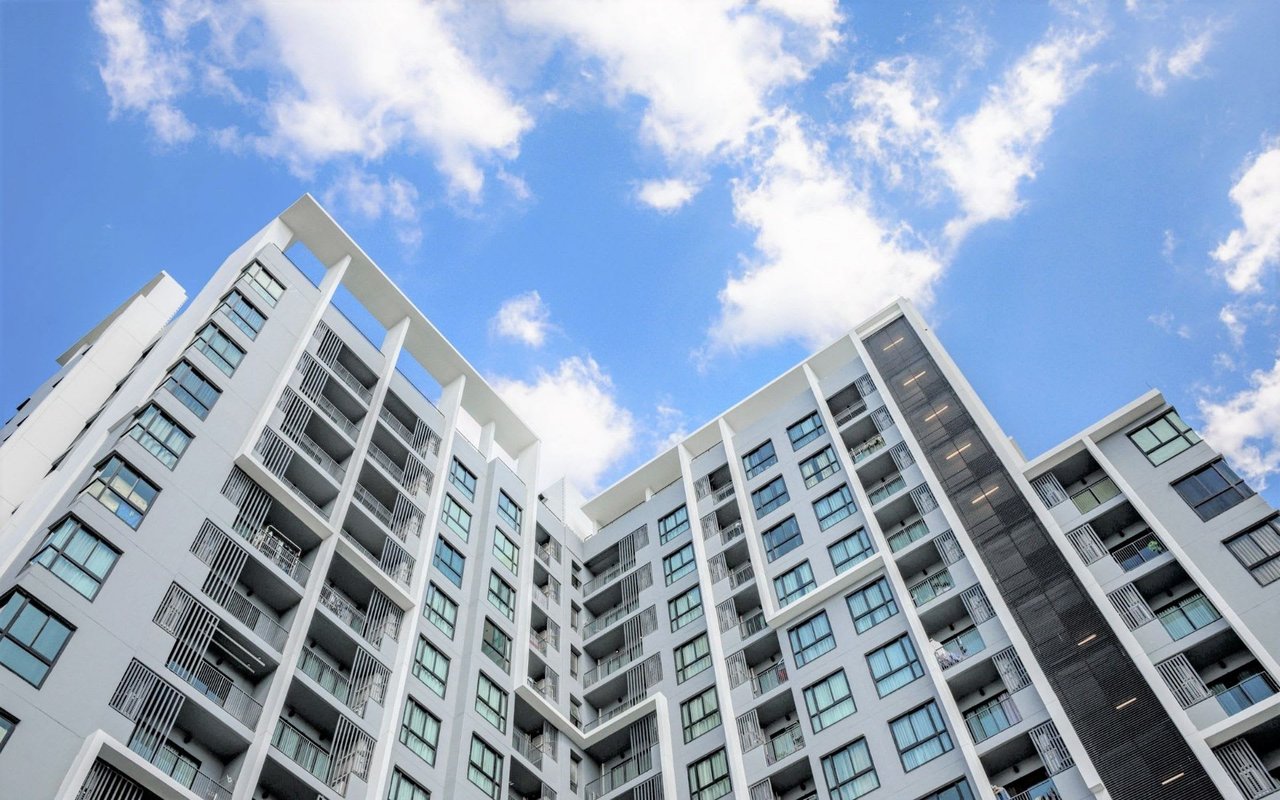
Walk the blocks between Astor Street and the lakefront and you'll notice something odd about the pricing. A one-bedroom in a full-service prewar building can list for well under $300,000, a number that would barely get you a studio in a newer high-rise a few blocks east in Streeterville. Same neighborhood, same zip code, sometimes the same views of Lake Michigan. The gap looks like an inefficiency in the market, the kind of thing a sharp buyer should jump on before everyone else notices.
Nobody else has failed to notice. The price gap exists because the building on Astor Street is very likely a cooperative, not a condominium, and the co-op discount isn't undervaluation. It's what happens to a price when you shrink the number of people who are legally and financially able to buy the thing.
The Math That Looks Like a Bargain
A condo sale in Chicago is, for financing purposes, a fairly ordinary transaction. A co-op sale is a different animal. Nonprime Lenders explains that co-op shares aren't real property in the way government-backed loan programs require. Co-op buyers finance through a small pool of portfolio lenders willing to write share loans, usually with stricter underwriting than a standard mortgage.
Fewer eligible lenders and fewer eligible buyers mean less competition for the same square footage in the same location. Less competition means lower clearing prices. That's the mechanism behind the discount. It has nothing to do with the building being worth less and everything to do with fewer people being allowed to bid on it.
This matters for how you should think about the deal. A lower price on a co-op is not free upside waiting to be captured. It's compensation for a narrower field of future buyers, which becomes your problem the day you decide to sell.
What the Board Actually Wants to See
Before a co-op sale closes, the corporation's board reviews you the way a lender reviews a borrower. Expect the process to include:
- A full financial application: tax returns, bank statements, and often two years of documented liquid assets
- Personal and professional references
- An in-person interview with the board or a screening committee
- Proof of post-closing liquidity, meaning cash left over after the down payment and closing costs, sometimes enough to cover a year or more of maintenance and mortgage payments
- Disclosure of your plans for renting
Down payment expectations typically run higher than a conventional condo purchase, commonly landing in the mid-teens to 25 percent or more depending on the lender and the building's financial health.
The Building's Balance Sheet Becomes Yours
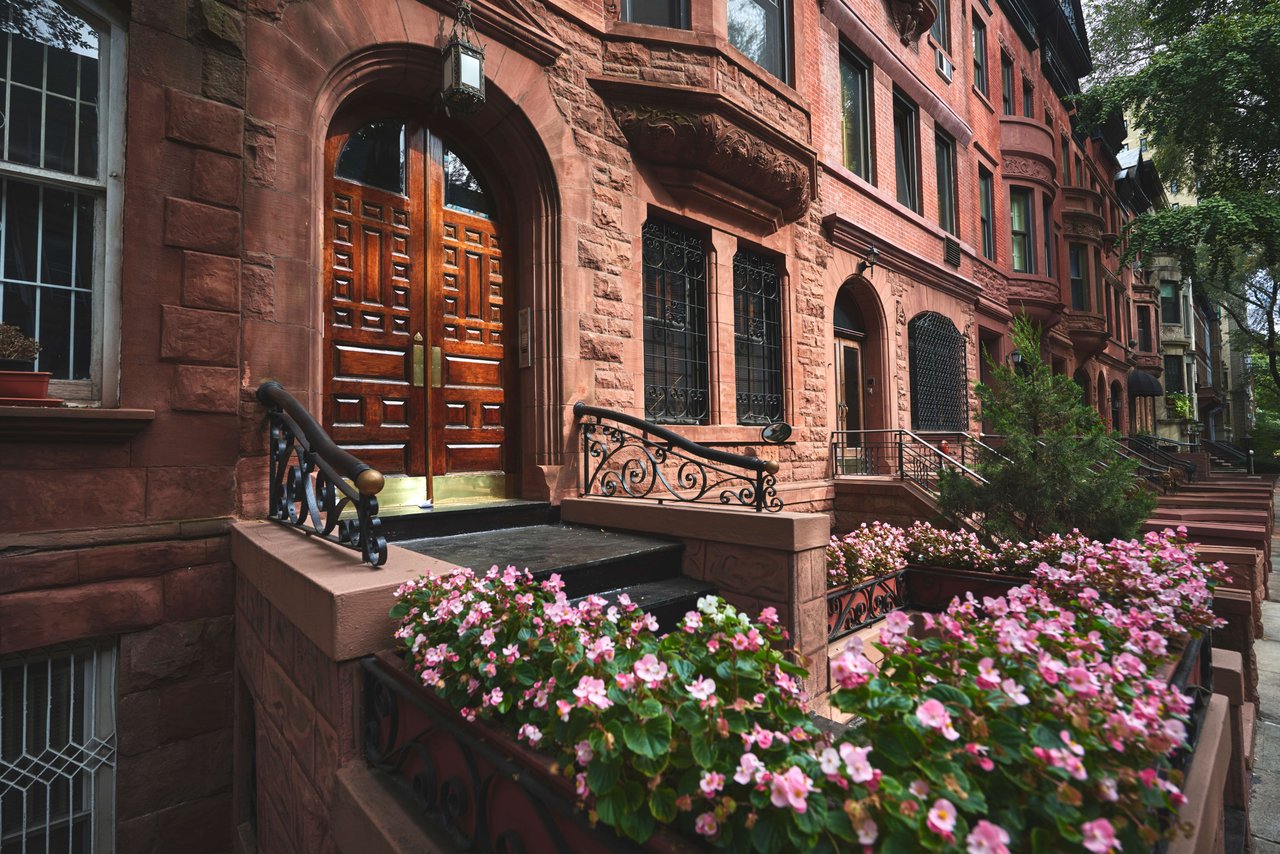
As Chicago Cooperator's account of the city's cooperative history notes, co-op living in this part of the city has deep roots. The earliest Chicago cooperatives date back to the late 1800s and early 1900s, when wealthy households along the lakefront formed cooperative corporations partly so residents could, as one 1927 Tribune article put it, "handpick their neighbors." That instinct never fully went away. Buildings like 1200 North Lake Shore Drive were constructed with a single unit per floor, complete with maids' rooms, a layout that only makes sense if you assume the ownership structure would keep turnover low and the applicant pool self-selecting. Mies van der Rohe's 860 North Lake Shore Drive brought the same cooperative logic into a modernist tower, and Andrew Rebori's mirror-image courtyard buildings did it around a shared garden rather than a lobby.
The 1963 Illinois Condominium Property Act changed the trajectory of the market by giving buyers a simpler path to individual title, and a wave of existing co-ops converted to condos in the decades that followed. Condos now outnumber co-ops in Chicago by roughly 20 to 1, according to industry trade reporting on the city's cooperative history, and the roughly 200 cooperative buildings that remain are still concentrated in the Gold Coast, Lincoln Park, Hyde Park, and the North Shore corridor from Evanston to Wilmette. That makes Chicago the second largest co-op market in the country after New York, but it's a market defined by scarcity and inertia rather than growth.
The practical consequence for your monthly bill: co-op maintenance fees typically bundle property taxes, building insurance, staff salaries, and sometimes debt service on an underlying mortgage the corporation carries. A condo assessment usually covers common-area upkeep and reserves, with property taxes billed separately by Cook County. Comparing a co-op's monthly maintenance line to a condo's HOA fee without accounting for what's bundled in is comparing two different products.
Renovation Isn't Just Permits. It's a Committee.
If your plan involves renovating after closing, budget for the co-op process to run longer and cost more than a comparable condo project. A documented renovation at 1242 North Lake Shore Drive came in around $265,000 across 10 weeks, and that figure includes plan submission, board review, contractor pre-approval, and insurance certificate coordination on top of the actual construction. Buildings with monthly board meetings typically clear that review step in 30 to 45 days. Buildings that only meet quarterly can stretch the same review to 90 days. Layer on the City of Chicago's standard plan review, which was running 7 to 9 weeks as of March 2026, and a renovation timeline that would take a few months in a newer condo can extend well past six.
Pre-war construction adds its own friction. Plaster walls, original wood floors, and concealed conditions behind them tend to extend the build phase by 10 to 20 percent compared to contemporary construction. None of this means don't renovate. It means the discount you paid at closing has a shadow cost in time and coordination that a newer condo buyer simply doesn't carry.
The Comparison, Side by Side
|
Co-op |
Condo |
| Typical down payment |
Mid-teens to 25 percent or more |
Often 10 to 20 percent, sometimes less for eligible first-time buyers |
| Financing |
Share loan through a small pool of portfolio lenders |
Conventional mortgage |
| Monthly fee |
Often bundles property taxes, insurance, and sometimes building debt |
Covers common areas and reserves, taxes billed separately |
| Renovation approval |
Board review plus city permitting, often 30 to 90 days for board sign-off alone |
Association approval plus city permitting, generally lighter board involvement |
A Few Questions Worth Settling Before You Write an Offer
Can I finance a Gold Coast co-op with an FHA or VA loan?
Co-op shares aren't real property in the way government-backed loan programs require, so financing runs through share loans from a limited set of lenders that specialize in cooperative buildings.
If the monthly fee already includes taxes, is a co-op actually cheaper to own long term?
Sometimes, but you have to run the full comparison. Check whether the co-op's maintenance fee includes the building's underlying debt service; compare the resulting total to a condo's HOA fee plus its separate Cook County tax bill. The sticker numbers rarely tell the whole story on their own.
How much time should I build into a contract for board approval?
Plan for several weeks at minimum, and confirm the board's meeting schedule before you write the offer. A monthly board can move faster than a quarterly one, and the interview itself is a separate step that has to be scheduled, not something that happens automatically once your paperwork is in.
The discount on a Near North Side co-op is a real number, and for the right buyer, one who plans to stay long term, has the liquidity a board wants to see, and isn't counting on flexible resale, it can still be a smart move. The mistake is treating the price gap as free money instead of what it actually is: the cost of a narrower field of buyers, priced into the deal before you even walk through the door.
If you're weighing a co-op against a condo on Near North Side and want a second set of eyes on a specific building's board process, financials, or renovation history, Luke Sandler has spent years working these blocks and can walk you through what a given building's numbers actually mean for your offer. Reach out to receive exclusive listings before they hit the wider market.
This article is general information, not legal, tax or financial advice. Consult a qualified professional about your situation.