Trying to choose between a River North high-rise and a boutique condo? You are not alone. In a neighborhood known for both soaring towers and character-filled warehouse conversions, the right fit often has less to do with a flashy listing and more to do with how you want to live, what monthly costs you can carry, and how easily you want to resell later. If you are weighing views against privacy, or amenities against simplicity, this guide will help you sort through the tradeoffs. Let’s dive in.
Why River North Offers Both
River North is one of the few Chicago neighborhoods where both building styles feel natural. The area is known for its former warehouses, art galleries, nightlife, and landmark skyscrapers, so you will find everything from full-service residential towers to smaller loft and boutique buildings.
That mix matters when you are buying. Some buyers want skyline views, on-site staff, and a polished amenity package. Others want exposed brick, fewer neighbors, and a more design-driven feel. In River North, you can realistically find both.
Chicago Magazine has highlighted this split in the neighborhood’s housing stock, from loft conversions in older industrial buildings to smaller boutique projects like the six-unit building at 747 N. Clark. That makes River North a strong place to compare lifestyle choices, not just price points.
What High-Rise Living Looks Like
In general, high-rise buildings are more than 12 floors and tend to offer a fuller service experience. That often includes features like secure entry, on-site property management, elevators, and shared amenities.
For many buyers, the biggest draw is the view. In Chicago, views can have real value. Realtor.com reported that Lake Michigan views can command a 30% to 50% premium over similar units with only partial views, and higher floors usually bring more open sightlines.
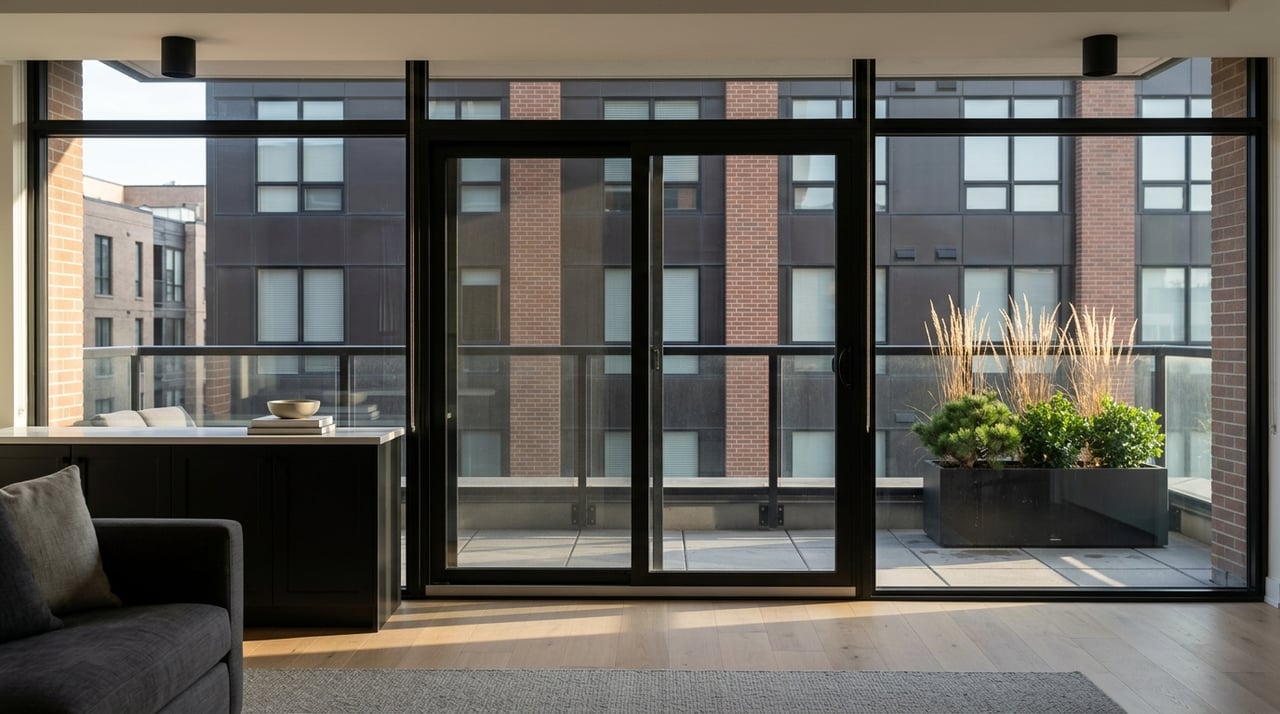
In River North, that can translate into skyline, river, or lake-adjacent views that are hard to match in a smaller building. If your dream home includes floor-to-ceiling glass and a dramatic city backdrop, a tower may be the strongest fit.
Common High-Rise Advantages
- Sweeping views
- Larger amenity packages
- On-site management
- Enhanced security features
- A more lock-and-leave lifestyle for some owners
Common High-Rise Tradeoffs
- More neighbors
- Less privacy in shared spaces
- Higher monthly costs in some buildings
- Limited green space
- More reliance on elevators, staff, and building systems
What Boutique Condos and Lofts Offer
Boutique buildings usually mean fewer units and a smaller-scale living experience. The appeal is often privacy, exclusivity, and less foot traffic in common areas. You may also have more visibility into how building decisions get made.
In River North, boutique living often overlaps with loft living. Many lofts in the neighborhood came from adaptive reuse of aging warehouses and factories, which can mean open layouts, exposed brick, timber beams, and large windows.
That architectural character is a major reason buyers lean boutique. A smaller building can feel more personal and distinct, especially if you care more about design and privacy than a long amenity list.
Chicago Magazine’s feature on 747 N. Clark gives a clear River North example. The project included just six units, full-floor layouts, 10-foot floor-to-ceiling windows, and a design-forward approach that stood apart from larger towers.
Common Boutique Advantages
- Fewer neighbors
- Less lobby and elevator traffic
- Distinctive architecture or loft character
- More owner visibility into building decisions
- A more private day-to-day feel
Common Boutique Tradeoffs
- Fewer shared amenities
- Less on-site staffing
- Higher per-unit costs for major repairs in some cases
- Smaller owner pool sharing building expenses
Lifestyle First, Not Labels
The best River North condo is not automatically the one called luxury. The better question is how you want your home to function on a normal Tuesday, not just during a showing.
If you use a fitness center, front desk, package handling, and on-site management regularly, those services may justify a larger building. If you value quiet hallways, unique layouts, and a more intimate feel, a boutique building may serve you better.
Try asking yourself a few direct questions:
- How often will you actually use building amenities?
- Do you care more about a premium view or privacy and character?
- Do you want a larger staff-supported building or a smaller owner-driven one?
- How important is architectural style to your daily enjoyment?
- Are you buying with resale in mind within the next few years?
Those answers usually make the decision clearer than the marketing language in a listing.
Monthly Costs Need a Closer Look
One of the biggest mistakes buyers make is assuming smaller means cheaper. That is not always true.
Boutique buildings may have fewer amenity expenses, but they also have fewer owners sharing major costs. If the roof, facade, boiler, or other big-ticket item needs work, each owner’s share can be meaningful.
Larger towers may have higher staffing and operating costs, but they also spread those costs across more units. The result is that monthly assessments depend less on building size alone and more on reserves, insurance, staffing, and capital planning.
That is why you should compare buildings based on actual finances, not assumptions. A lean boutique building can still be expensive to carry, and a high-rise with many services can still be financially stable and predictable.
Why HOA Health Matters for Resale
In Illinois, condo boards are required to provide a detailed annual budget and, for budgets adopted after July 1, 1990, maintain reasonable reserves for capital expenditures and deferred maintenance. When boards set reserves, they must consider repair and replacement costs, useful life, reserve studies, owner financial impact, market value, and the ability to obtain financing or refinancing.
That gives buyers an important window into building health. A beautiful unit in a shaky association can create problems later, especially if surprise assessments or financing issues show up during resale.
Illinois law also gives owners access to association records and reserve studies. Special-assessment increases above a 115% year-over-year threshold trigger owner petition rights, and initial condo sales require disclosure of key documents like the declaration, bylaws, projected operating budget, and floor plan.
For you as a buyer, that means due diligence is not just paperwork. It is one of the clearest ways to protect your future costs and your exit strategy.
Documents Worth Reviewing
- Annual budget
- Reserve study
- Recent meeting minutes
- Insurance information
- Delinquency history
- Litigation history
- Rental caps
- Short-term rental rules
- Any condo-hotel features or restrictions
Financing Can Be A Deal Maker
Not every condo project is equally easy to finance. Fannie Mae and Freddie Mac both review project-level factors such as budgets, financial statements, reserve studies, litigation, and critical repair issues.
Projects with pending litigation related to safety, structural soundness, habitability, or functional use can face financing problems. Hotel-like or short-term-rental condo projects can also be ineligible in some cases.
That matters in River North because a financing issue does not just affect your current purchase. It can also shrink your future buyer pool when it is time to sell.
If you are comparing a high-rise and a boutique building, ask not only which one you like more, but which one is easier for a future buyer to finance. That question can protect resale value just as much as finishes or views.
A Simple Way To Decide
If you want a straightforward framework, start with your top priority.
Choose a high-rise if you prioritize views, concierge or security, on-site management, and a larger amenity package. Choose a boutique condo or loft if you prioritize privacy, fewer neighbors, distinctive architecture, and a more hands-on feel around building decisions.
Then layer in the practical side. Compare monthly assessments, reserve strength, upcoming capital needs, rental rules, and financing red flags before you fall in love with the finishes.
In River North, there is no one-size-fits-all winner. The neighborhood supports both tower living and low-density character buildings, so the smartest choice usually comes down to your daily lifestyle, your comfort with monthly costs, and how strong the association looks on paper.
If you want help comparing specific River North buildings, assessing HOA health, or narrowing the search to the right fit for your lifestyle and goals, connect with Luke Sandler. You will get local insight, responsive guidance, and a clear strategy for buying with confidence.
FAQs
How do River North high-rises and boutique condos differ most?
- River North high-rises usually offer more views, amenities, and on-site services, while boutique condos often offer more privacy, fewer neighbors, and more distinctive architecture.
Are boutique condos in River North always cheaper to own?
- No. Smaller buildings may have fewer amenity costs, but major repairs can cost more per owner because fewer units share the expense.
Do River North high-rise views really affect value?
- Often, yes. In Chicago, premium views can carry meaningful value, and higher floors usually have more unobstructed sightlines.
What condo documents should River North buyers review before closing?
- Focus on the budget, reserve study, meeting minutes, insurance, delinquency history, litigation history, rental restrictions, and any short-term-rental or condo-hotel rules.
Can condo financing vary by River North building?
- Yes. Lenders may review a building’s budget, reserves, litigation, and repair issues, so one project can be easier to finance than another.
Which River North condo type is better for resale?
- Neither is automatically better. Resale strength often depends on the building’s financial health, financing eligibility, monthly carrying costs, and how well the unit matches buyer demand.