Thinking about relocating to Chicago and want a true walk-to-work lifestyle? Two of the city’s most popular choices are the West Loop and the Near North Side, each with a distinct feel and set of trade-offs. You want easy commutes, the right condo fit, and a neighborhood that syncs with your routine from weekday mornings to Saturday nights.
In this guide, you will compare commute convenience, condo styles and HOA patterns, dining and nightlife, access to parks and the lakefront, and example budgets. You will also get a simple checklist to help you decide faster and with confidence. Let’s dive in.
West Loop vs Near North at a glance
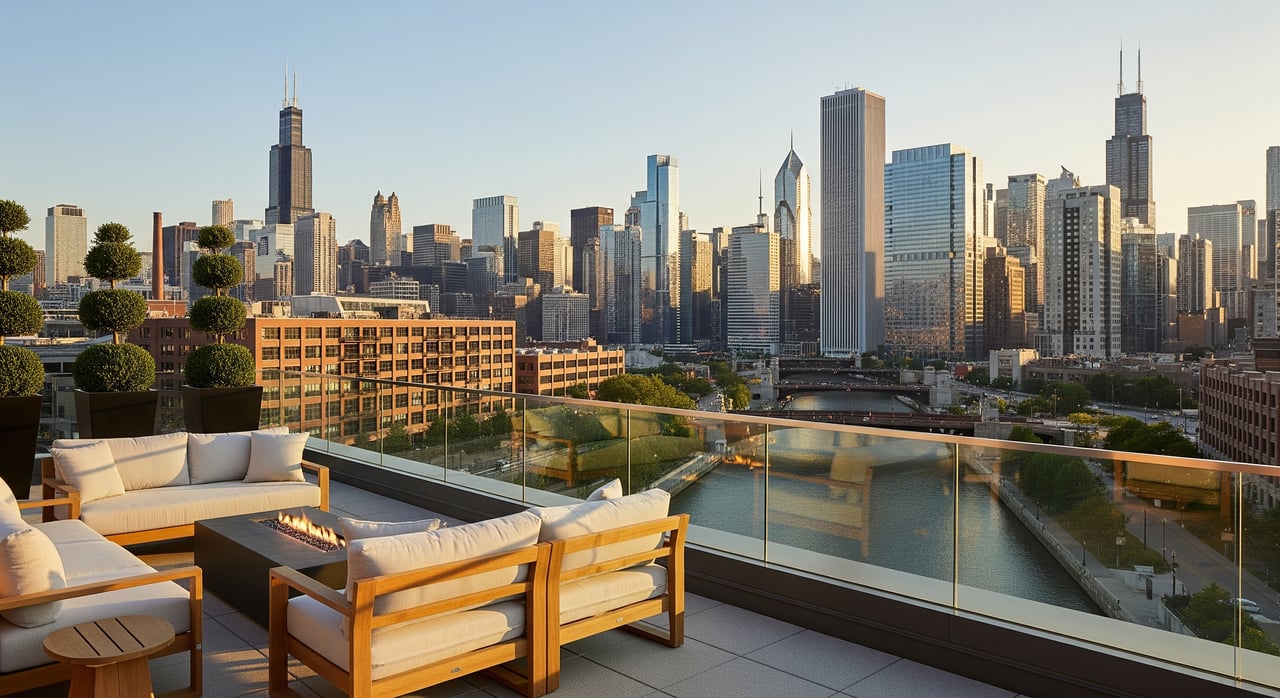
The Near North Side sits just north of the Loop and includes River North, Gold Coast, Streeterville, Old Town, and parts of the Magnificent Mile corridor. It is more established, with many classic and luxury high-rises, strong retail energy, and immediate lake access in several pockets.
The West Loop is directly west of the downtown core and the river. It blends converted lofts with new mid- and high-rises, townhomes, and buzzy office towers. The vibe is trend-forward and restaurant driven, anchored by Fulton Market and Randolph Street.
Commute and transit
Walk-to-work realities
Both neighborhoods can deliver a walkable commute, depending on your building. In the West Loop, homes near the river often sit about 10 to 20 minutes from the Loop core on foot. In the Near North Side, south portions like River North and Streeterville offer similar walk times, sometimes slightly longer based on where you work within the Loop.
Your exact address and the Chicago River crossings matter. If you expect to cross the river daily, plan your route and timing before you choose a building.
CTA and Metra access
Near North Side living pairs well with CTA service. You will find abundant bus routes and fast Red Line access for north–south travel, with Brown and Purple Line connections just north of the Loop in select subareas. It is a practical setup if your primary movement is within the city grid.
The West Loop’s signature advantage is immediate proximity to the region’s commuter rail. Ogilvie Transportation Center and Union Station sit on the neighborhood’s eastern edge, which is ideal if you host clients from the suburbs or need to reverse commute on Metra. CTA bus lines and select ‘L’ stations are reachable from many blocks, and the growing bike infrastructure shortens trips to downtown offices.
Driving and parking
Driving to the Loop is possible from both areas, though peak-hour congestion often makes walking or rail faster. Street parking is limited in each neighborhood. Most buildings rely on leased or owned garage spots, and parking costs are a meaningful line item to budget for.
Housing and HOAs
Building styles and unit types
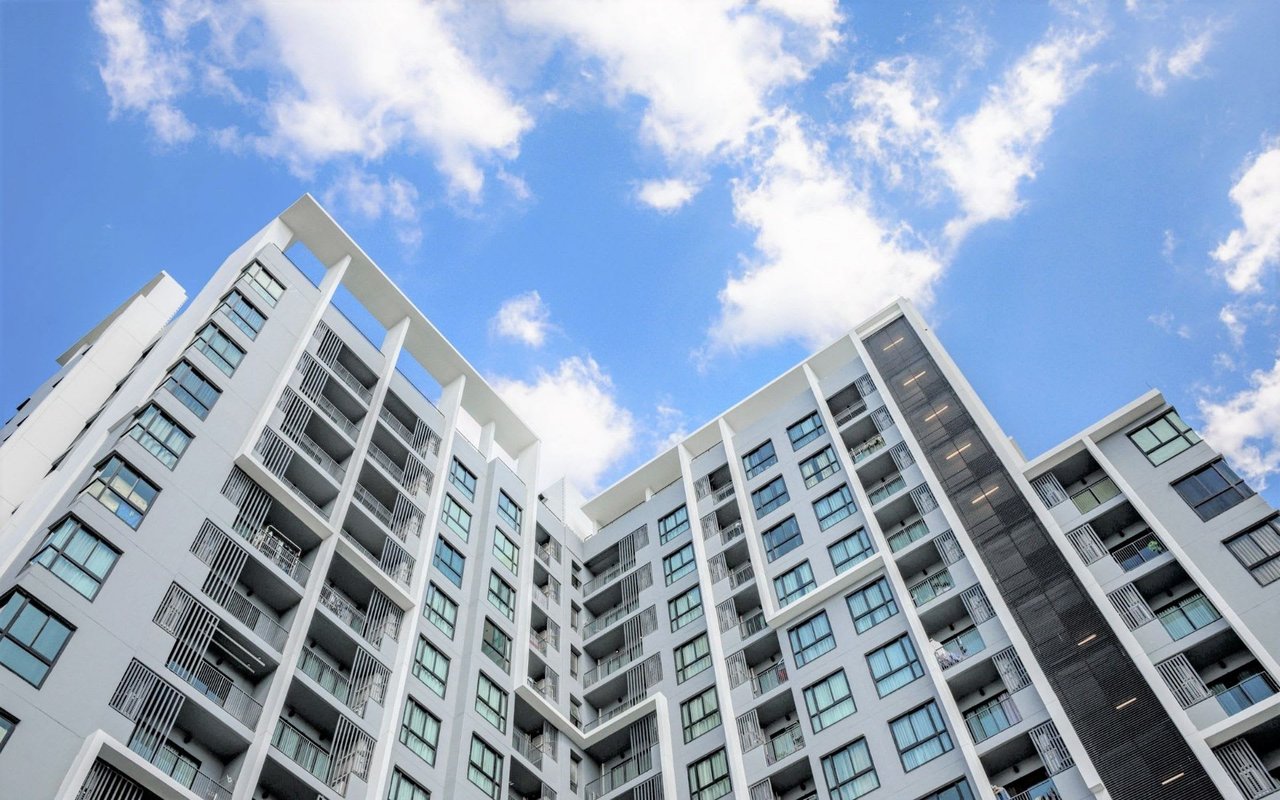
West Loop housing is a mix of converted warehouses and new construction. You will see lofts with tall ceilings and exposed brick, mid-rise and high-rise condo buildings, and some townhome enclaves on quieter streets. Many newer developments emphasize amenities for professionals, such as fitness centers, lounges, and co-working spaces.
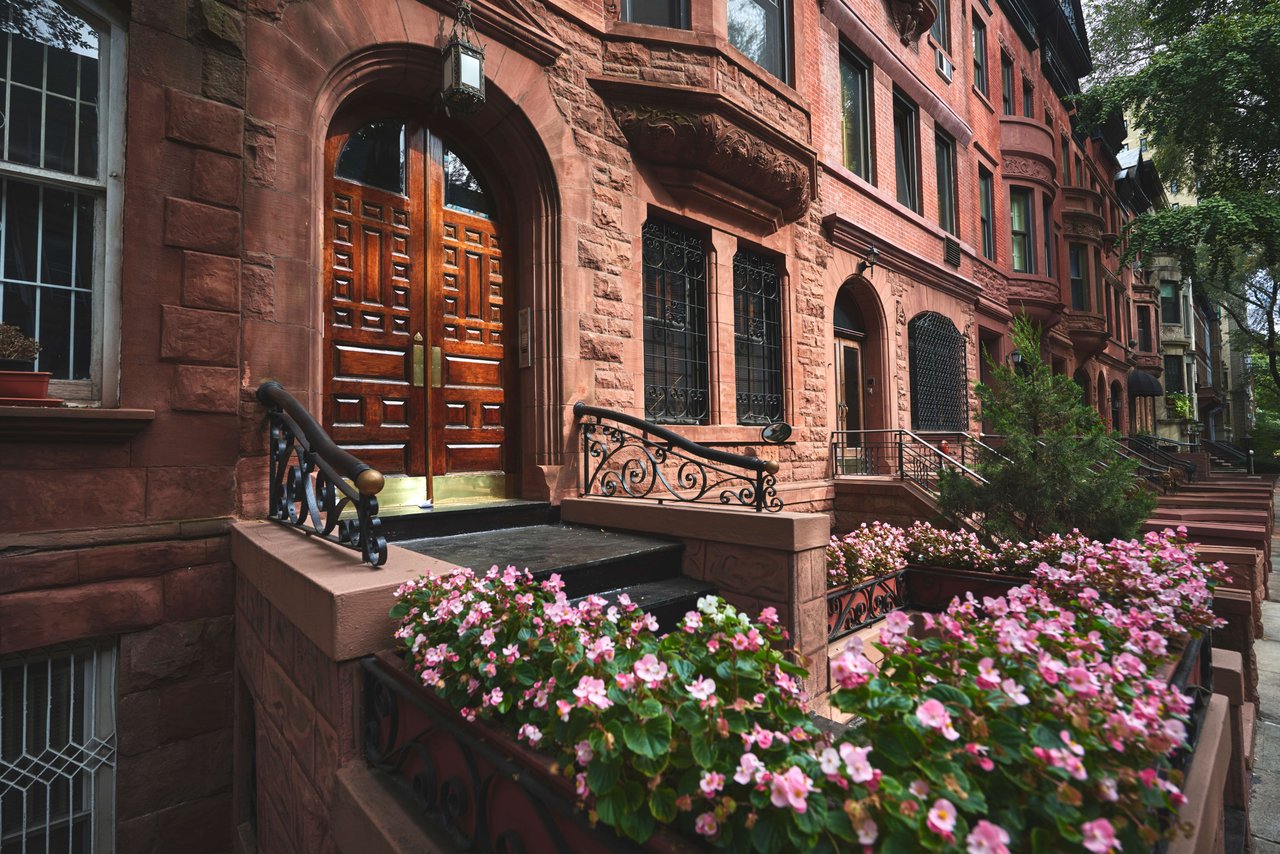
Near North Side options range widely. Along the lakefront and near the Magnificent Mile, you will find a high concentration of established luxury towers with full-service staffing. River North and Old Town add boutique buildings and historic conversions. Unit sizes run from efficient studios to large multi-bedroom residences and penthouses.
HOA patterns and fee drivers
In both neighborhoods, HOA dues typically cover building maintenance, common-area insurance, landscaping, and shared amenities. Some associations include heat, gas, and water. Electricity is often separate. Reserve funds and assessment history vary by building, and older towers may have special assessments for capital projects.
Expect HOA fees to scale with amenity levels. Buildings with pools, 24-hour door staff, and multiple shared spaces often command higher dues. Parking can be folded into the association or billed separately, and garage operations impact costs.
Tip: Compare fee-per-square-foot, what utilities are included, and any known assessments. HOA dues can materially change your monthly cost, especially in high-service towers.
Lifestyle and amenities
Dining and nightlife
The West Loop is one of Chicago’s most celebrated dining districts. Fulton Market and Randolph Street concentrate chef-driven spots and tasting menus, with a neighborhood-forward late-night scene. It is ideal if your social life revolves around reservations and food-focused nights out.
The Near North Side offers unmatched variety, especially in River North and near the Mag Mile. You will find high-end steakhouses, global cuisine, lounges, and entertainment that draw both locals and visitors. It suits you if you want a wide spectrum of dining and nightlife options within a short walk.
Parks and lakefront
If lake time is a must, the Near North Side is the clear winner. Subareas offer direct access to Oak Street Beach, North Avenue Beach a bit farther north, and the broader Lincoln Park system. The continuous lakefront trail makes running and biking simple.
In the West Loop, you will rely more on neighborhood parks and the evolving riverfront. Mary Bartelme Park, Skinner Park, and Union Park anchor green space, and the Chicago Riverwalk is reachable with short crossings. You trade immediate beach access for nearby linear parks and easy westward bike routes.
Shopping and services
Both neighborhoods deliver strong retail and daily conveniences. The Near North Side layers in luxury shopping along the Magnificent Mile and flagship stores. The West Loop leans into specialty food markets and neighborhood-focused retail, with the bonus of food wholesalers near Fulton Market.
Who each neighborhood fits
- Near North Side: You want an established city address, broad condo options from boutique to luxury towers, and quick access to the lakefront and major retail corridors.
- West Loop: You lean toward lofts or new builds, value a top-tier dining scene, and want easy access to Metra and the western edge of the downtown office core.
Decision checklist
Use these questions to focus your search:
- Commute and transit
- How will you commute most days, and how often will you cross the river?
- Will you use Metra regularly from Ogilvie or Union Station?
- Building type and lifestyle
- Do you prefer a loft conversion, a modern high-rise, or a boutique building?
- Which amenities matter most, such as a gym, door staff, rooftop, or co-working?
- HOA and ownership costs
- What monthly HOA range is comfortable, and which utilities should it include?
- Are there any recent or planned special assessments?
- Parking and storage
- Do you need an assigned garage spot now, and what cost is acceptable?
- Do you require a storage locker?
- Outdoor access
- Do you prioritize immediate lakefront access, or are neighborhood parks sufficient?
- Noise and nightlife
- How sensitive are you to restaurant and bar activity on nearby blocks?
- Resale and investment
- Does the building have a solid reputation and rental demand?
- Schools and family needs
- If relevant, confirm school options, playground proximity, and childcare access.
Example budgets
These examples are illustrative and reflect common price bands for urban condo buyers. Adjust for your exact building, HOA, taxes, and financing terms.
Starter urban buyer, example price 350,000 dollars
- Down payment: 20 percent, 70,000 dollars
- Loan principal: 280,000 dollars
- Monthly HOA: often 300 to 600 dollars, based on building and amenities
- Property tax, insurance, utilities, and any rented parking added to monthly cost
Mid-range professional, example price 650,000 dollars
- Down payment: 20 percent, 130,000 dollars
- Loan principal: 520,000 dollars
- Monthly HOA: often 400 to 900 dollars, higher with door staff and pools
- Property tax and insurance scale with price, plus parking if not included
Premium buyer, example price 1,200,000 dollars
- Down payment: 20 percent, 240,000 dollars
- Loan principal: 960,000 dollars
- Monthly HOA: often 1,000 dollars or more in full-amenity towers
- Expect higher insurance and property taxes, plus potential transfer taxes and assessments
What changes across West Loop vs Near North Side? In Near North, full-service towers can drive HOA higher. In the West Loop, boutique and loft buildings may offer lower dues but fewer amenities. Parking can be a separate lease or purchase in both areas and will affect your monthly number.
How to pick the right building faster
- Start with your commute. If Metra is part of your routine, focus on the East and Southeast West Loop for direct access to Ogilvie and Union. If you stay on CTA, Near North and River North are strong for Red Line and bus service.
- Match the building to your lifestyle. If you love modern amenities and full-service staffing, look at the Near North’s luxury towers. If you want character and volume, a West Loop loft may be the better fit.
- Filter by HOA reality. Decide which utilities and services you expect the association to cover. Compare fee-per-square-foot and ask about reserve balances and any known assessments.
- Walk the block at different hours. Check traffic patterns, nearby nightlife, and street-level retail to confirm the daytime and evening vibe works for you.
- Plan for parking. If you need a spot immediately, verify availability and cost before you write an offer.
The bottom line
You can build a walkable, city-first life in either the West Loop or the Near North Side. The Near North delivers broader condo variety, immediate lakefront access in several subareas, and a deep retail and dining bench. The West Loop brings chef-driven restaurants, a growing office corridor, and unmatched access to Metra from Ogilvie and Union Station.
If you frame your decision around commute, building style, HOA reality, and daily lifestyle, the right choice usually becomes obvious. When you are ready to tour buildings and compare true monthly costs, connect with a local advisor who knows both markets block by block.
Ready to narrow your list, tour top buildings, and compare real monthly costs side by side? Reach out to Luke Sandler for concierge guidance and a plan tailored to your move.
FAQs
What is the commute difference between West Loop and the Near North Side?
- Both are walkable to the Loop from many addresses. West Loop homes near the river are often 10 to 20 minutes on foot, while south Near North areas like River North and Streeterville offer similar times depending on your exact destination.
Which neighborhood has better access to the lakefront in Chicago?
- The Near North Side offers more direct access to beaches and the continuous lakefront path, including Oak Street Beach and, a bit farther north, North Avenue Beach and Lincoln Park.
If I use Metra, is West Loop or Near North more practical?
- West Loop is more practical for regular Metra use because Ogilvie Transportation Center and Union Station sit at its eastern edge, making regional rail connections faster.
How do HOA fees typically compare between West Loop and Near North Side condos?
- Fees vary by building age and amenity level. Full-service Near North towers often carry higher dues, while some West Loop lofts and boutique buildings may be lower with fewer amenities.
Where is parking easier, West Loop or Near North Side?
- Street parking is limited in both areas. Most residents rely on leased or owned garage spots, and the cost can be a significant monthly expense in either neighborhood.
What condo styles are most common in West Loop vs Near North Side?
- West Loop features loft conversions and new mid- and high-rise buildings with modern amenities. Near North Side offers classic lakefront high-rises, luxury towers, and boutique buildings in areas like River North and Old Town.