Looking for a Chicago neighborhood that feels creative, lived-in, and easy to explore on foot? West Town stands out because it blends independent cafés, neighborhood parks, and a strong arts presence with a more residential building scale than many downtown areas. If you are thinking about renting, buying, or simply getting to know the area better, this guide will help you understand what daily life in West Town can actually feel like. Let’s dive in.
West Town at a Glance
West Town is one of Chicago’s 77 community areas, but it often feels more like a collection of connected neighborhoods than one single place. Local sources describe it as eclectic and artsy, with a character shaped by different immigrant communities over time, including the historic Ukrainian Village area.
That layered identity is a big part of the appeal. Instead of feeling overly polished or uniform, West Town offers a mix of culture, street life, and architecture that gives the neighborhood a distinct sense of place.
Creative Energy Shapes Daily Life
West Town’s creative identity is not just a branding idea. It is supported by arts institutions like Intuit and the Ukrainian Institute of Modern Art, along with gallery spaces and public art that add visual interest to everyday blocks.
For you as a resident, that can translate into a neighborhood experience that feels more textured and personal. Coffee runs, walks to dinner, and errands often happen in a setting where local businesses, design, and art all overlap.
Cafés and Street Life in West Town
If you want a neighborhood with strong local flavor, West Town delivers at street level. Choose Chicago points to Chicago Avenue as a key place to start exploring the area’s food and drink scene, with a mix of independent spots that help define the neighborhood.
Local names highlighted by Choose Chicago include Metric Coffee, Forbidden Root, Soulé, Kasama, Midwest Coast Brewing Company, and District Brew Yards. Together, those businesses reflect the kind of everyday energy many buyers and renters are looking for: independent coffee, casual places to meet friends, and a neighborhood rhythm that extends beyond work hours.
Why the café scene matters
A strong café and restaurant mix does more than give you options for brunch or takeout. It also helps shape how a neighborhood feels during the week, on weekends, and in between.
In West Town, that atmosphere tends to feel local and independent rather than corporate. If you value walkable blocks with coffee, food, vintage retail, breweries, and art in close proximity, that is a major part of the neighborhood’s draw.
Parks and Green Space in West Town
West Town does not revolve around one giant park. Instead, it offers a neighborhood-scaled network of parks and outdoor amenities that support day-to-day life.
That distinction matters. If you are comparing neighborhoods, West Town is better understood as park-supported and walkable, rather than built around a single large open-space destination.
Notable parks nearby
The Chicago Park District highlights several larger park assets in West Town:
- Smith Park spans 10.20 acres and includes a pool, tennis and pickleball courts, a playground, and an athletic field.
- Eckhart Park spans 8.85 acres and includes an indoor pool, fitness center, boxing center, and gymnasiums.
- Pulaski Park spans 4.15 acres and includes an auditorium and arts programming through Free Street Theater.
These are practical amenities that can support a wide range of routines, from workouts and recreation to time outside with friends or family.
Access to The 606
West Town also connects to the Bloomingdale Trail, also known as The 606. The Chicago Park District describes it as 15.60 acres of elevated green space created from a former railroad embankment.
For many residents, access to The 606 adds another layer of outdoor convenience. It can make walking, running, or biking feel more integrated into daily life, especially if you want green space without leaving the neighborhood context behind.
Housing in West Town Feels More Residential
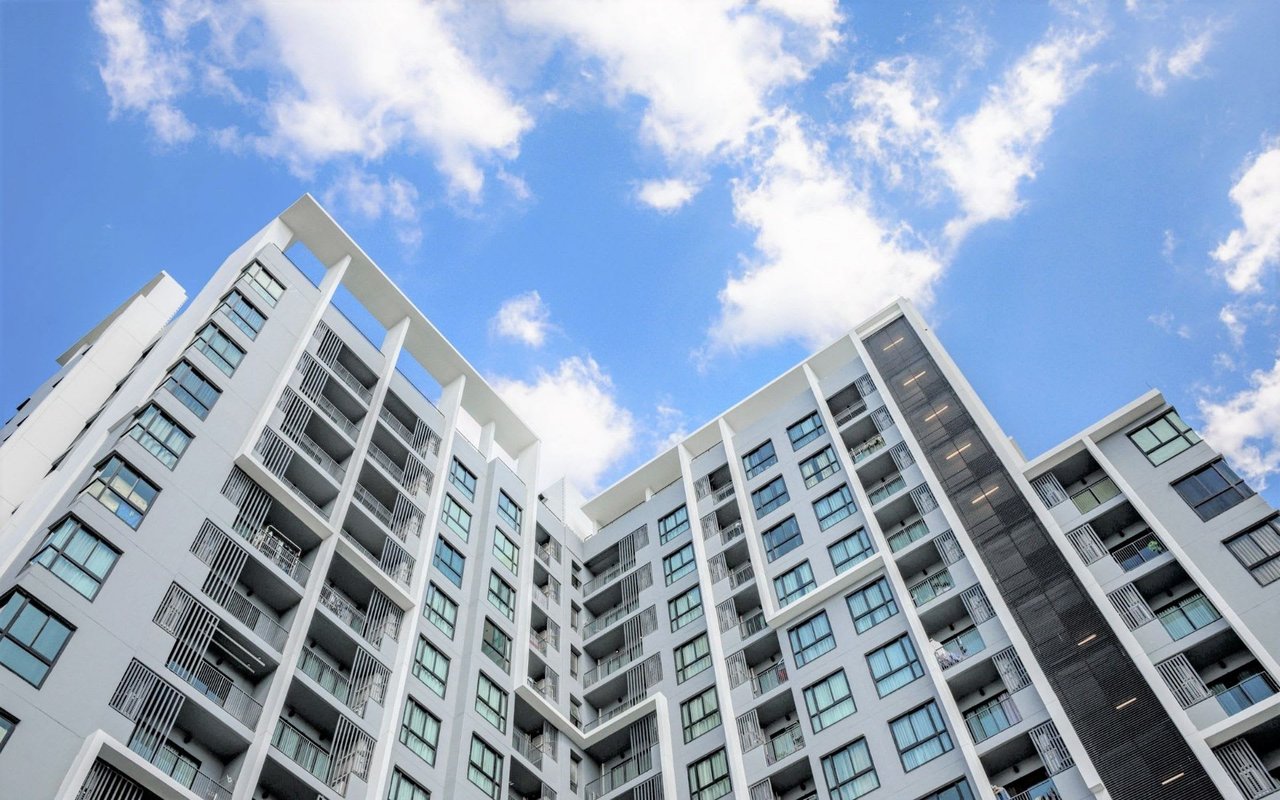
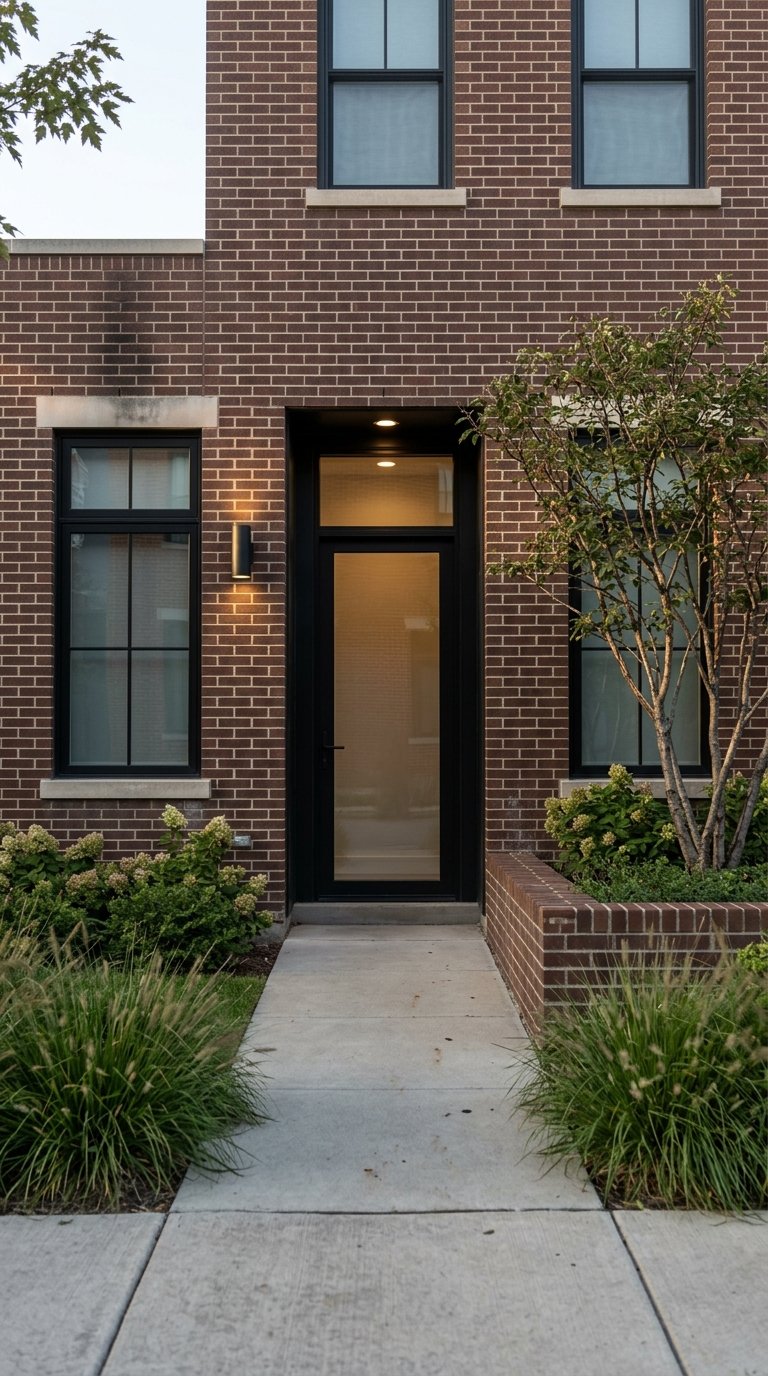
One of the clearest things that sets West Town apart is its housing mix. Compared with downtown high-rise districts, West Town is much less vertical and far more defined by low-rise and small multifamily buildings.
CMAP data shows that only 13.9% of housing units in West Town are in buildings with 20 or more units. By comparison, that figure is much higher in places like the Near North Side, Near West Side, and The Loop.
What the housing stock looks like
West Town’s housing mix includes:
- 32.1% of units in 3 to 4 unit buildings
- 22.8% in 5 to 9 unit buildings
- 13.9% in 20+ unit buildings
- 10.9% in 2 unit buildings
- 10.6% in detached single-family homes
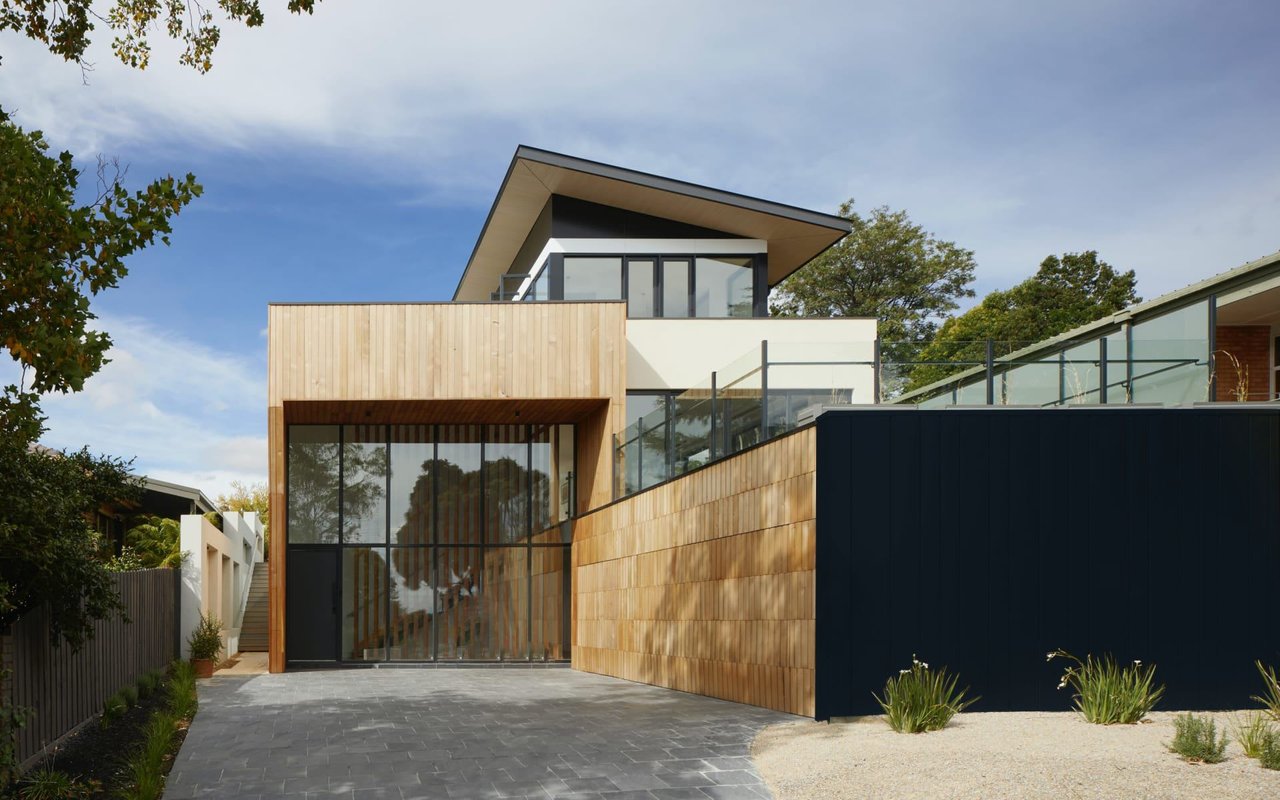
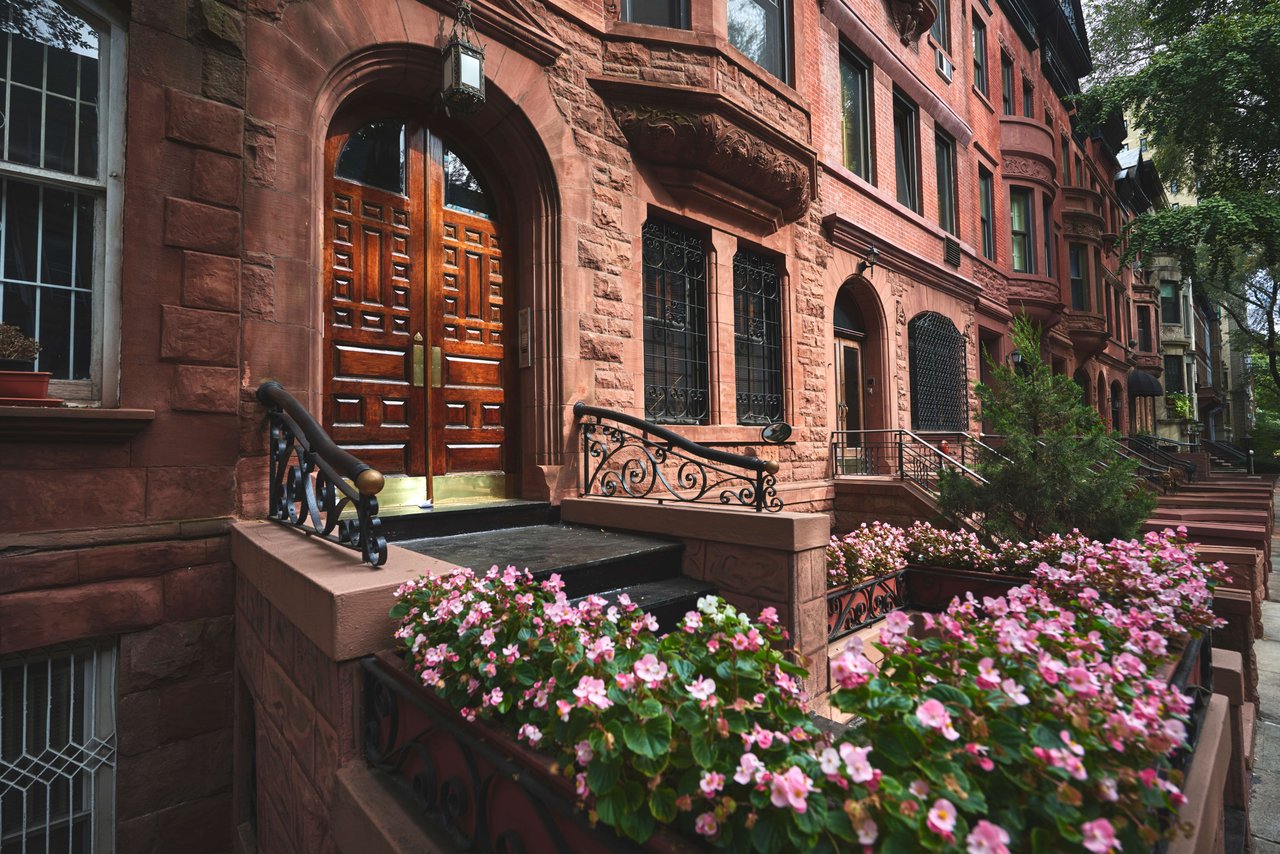
In practical terms, that points to vintage walk-ups, two-flats, four-flats, small multifamily buildings, and selective newer infill. If you like city living but do not want a tower-dominant environment, West Town offers a different kind of urban experience.
A mix of vintage and newer homes
The median year built in West Town is 1968. At the same time, 40.0% of homes were built before 1940, while 13.3% were built in 2010 or later.
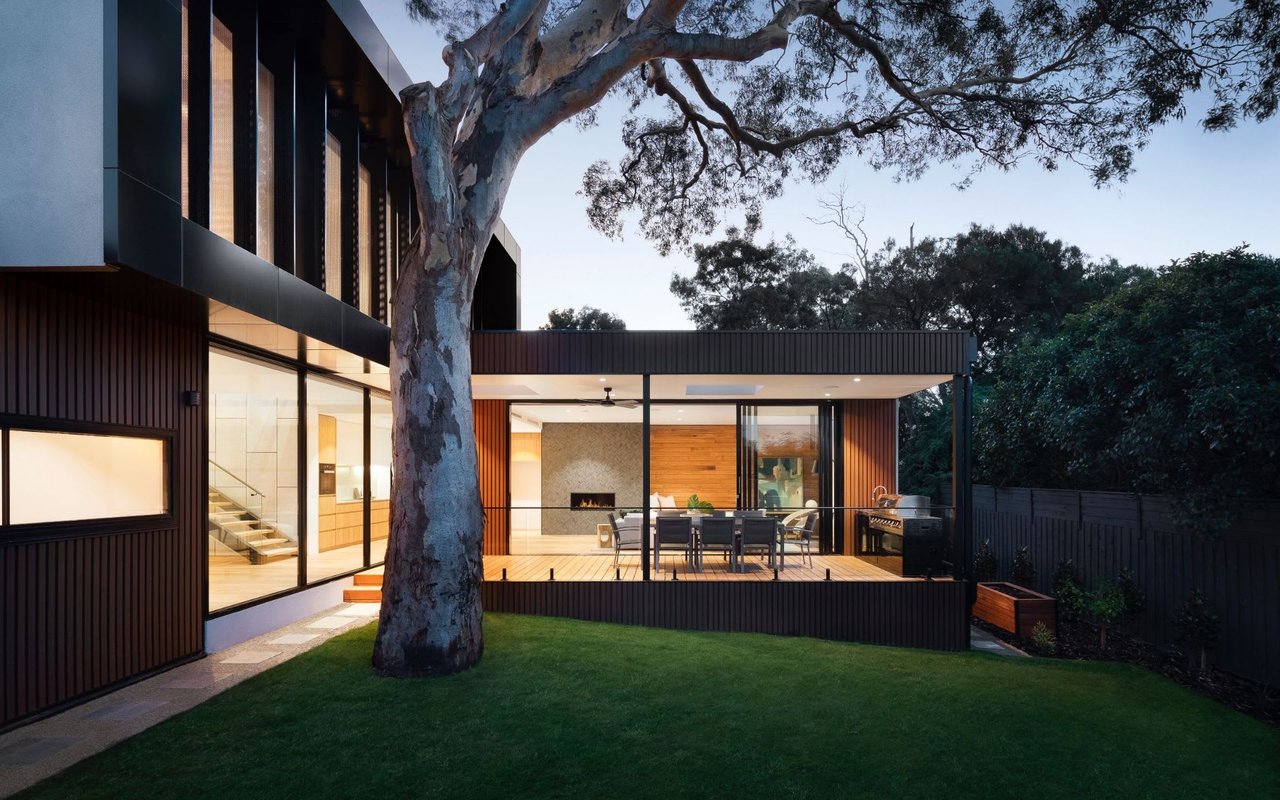
That range helps explain why the neighborhood can feel architecturally varied. You may see older housing stock with long-standing character on one block and newer construction or updated infill on another.
Who Lives in West Town
According to CMAP’s 2024 snapshot, West Town has 88,164 residents and 43,757 households. The average household size is 2.0, and the median age is 33.2.
The neighborhood also has a substantial renter presence. CMAP reports that 59.0% of homes are renter-occupied, while 41.0% are owner-occupied.
What that means for buyers and renters
This balance can create a flexible housing environment. If you are a renter, you are looking in a neighborhood where renting is a major part of the housing landscape. If you are a buyer, you are still in a community with meaningful owner occupancy and a broad mix of building types.
The unit mix is also notable. About 45.2% of homes are 2-bedroom units, and 24.8% are 3-bedroom units, which can appeal to people who want more usable space without leaving the city.
West Town vs Downtown Chicago
If you are choosing between West Town and a more central high-rise district, the biggest difference may be the feel of the built environment. Downtown-adjacent neighborhoods often offer a more vertical, amenity-heavy condo experience.
West Town offers something else. It gives you an urban setting with independent businesses, arts-and-culture identity, and a more residential building scale.
Who West Town often fits best
West Town can be especially appealing if you want:
- A neighborhood feel instead of a condo-core atmosphere
- Independent cafés, restaurants, and breweries nearby
- Access to parks and outdoor space woven into daily life
- More low-rise housing options than downtown tower districts
- A blend of vintage buildings and selective newer development
That does not make it better than downtown for every person. It simply means the lifestyle proposition is different, and for many people, that difference is exactly the point.
What to Keep in Mind Before Moving
West Town has a strong income profile, with 60.9% of households earning $100,000 or more. At the same time, Housing Studies data shows that 31.7% of renter households and 22.6% of owner households are cost-burdened.
For you, that is a reminder to look closely at your total monthly costs, not just the list price or rent. In a neighborhood with strong demand and a distinctive identity, understanding value block by block can make a real difference.
Why West Town Continues to Draw Attention
West Town appeals to people who want a Chicago neighborhood that feels active, creative, and grounded in local street life. It combines cultural institutions, respected food and coffee spots, useful green space, and a housing stock that remains more low-rise than many competing urban areas.
If that mix sounds like what you want, West Town is worth a serious look. And if you need help evaluating condos, rentals, or small multifamily opportunities in the area, working with someone who understands Chicago’s neighborhood differences can give you a real edge.
If you are considering a move in West Town or anywhere across central Chicago, Luke Sandler can help you navigate the market with responsive guidance, local insight, and a concierge-level approach.
FAQs
What is West Town like for daily life in Chicago?
- West Town offers a mix of independent cafés, restaurants, breweries, arts institutions, and neighborhood parks, giving daily life a creative and walkable feel.
Does West Town have parks and green space?
- Yes. West Town includes parks like Smith Park, Eckhart Park, and Pulaski Park, and it also connects to The 606 for elevated green space and recreation.
What kind of housing is common in West Town?
- West Town is known for low-rise housing such as 2-unit, 3-flat, 4-flat, and small multifamily buildings, along with some detached homes and newer infill development.
Is West Town mostly renters or owners?
- CMAP reports that 59.0% of West Town homes are renter-occupied and 41.0% are owner-occupied.
How is West Town different from downtown Chicago neighborhoods?
- West Town has far fewer high-rise buildings than downtown districts like The Loop or Near North Side, so it often feels more residential while still offering an urban lifestyle.
Is West Town a good fit if I want a condo or small multifamily property?
- It can be, especially if you prefer a neighborhood with a broad mix of low-rise housing and small multifamily buildings rather than a tower-heavy downtown setting.