If you want sky-high views, walk-to-everything convenience, and a dining scene steps from home, River North delivers. You might be relocating for work, trading commute time for lifestyle, or deciding between renting and buying a condo. This guide gives you a clear picture of amenities, dining, transit, housing types, and what daily life really feels like in River North. Let’s dive in.
River North at a glance
River North sits on the Near North Side just north of the Chicago River and west of the Magnificent Mile. You get a dense mix of high-rise living, converted warehouse lofts, art galleries, and a major restaurant and nightlife corridor. It is popular with urban professionals, couples, and downsizers who want downtown access.
Boundaries can vary by source. When you see official stats, they often use the broader Near North Side community area, which includes River North. For orientation, review the City of Chicago’s community area boundaries to understand how the city defines the larger area that surrounds River North.
Homes and buildings
Common home types
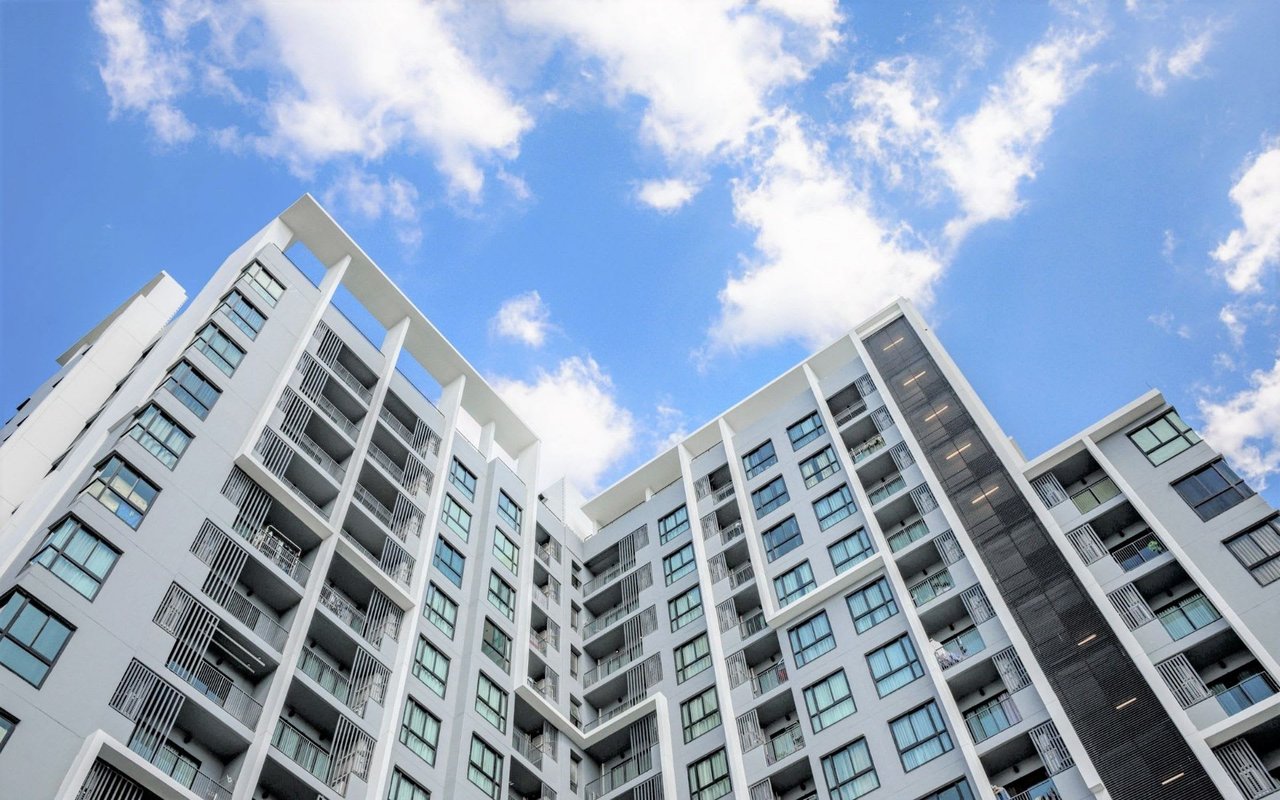
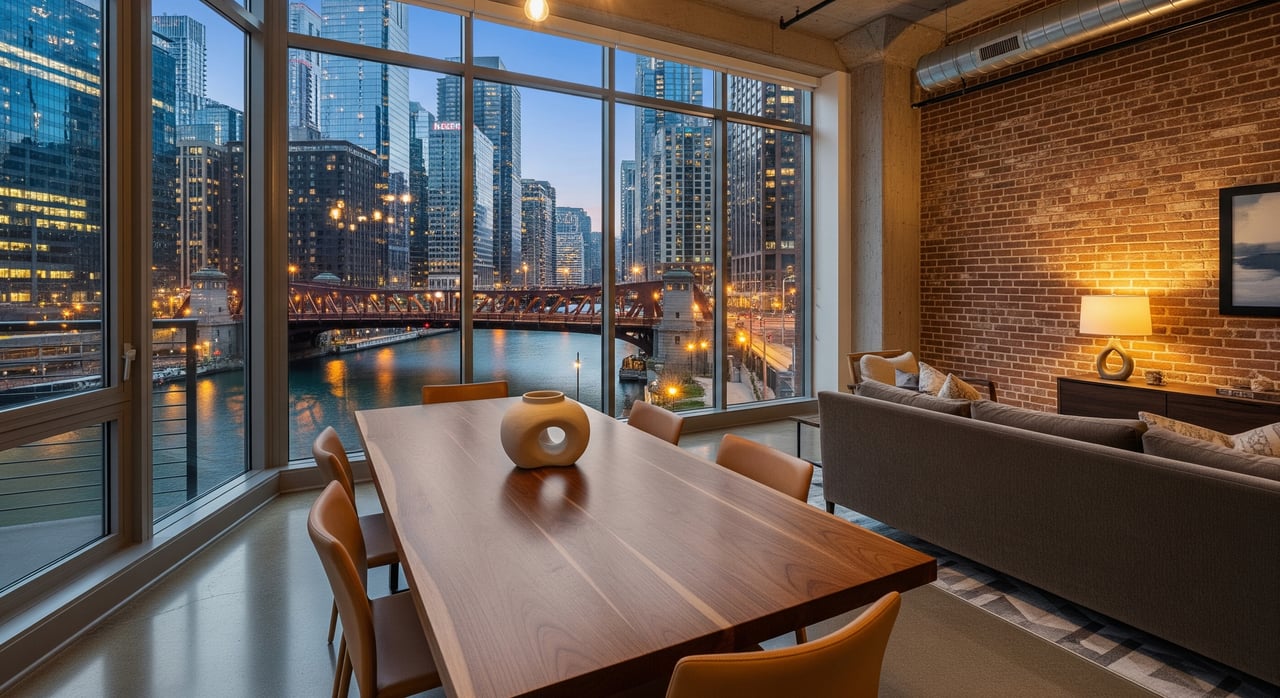
You will find high-rise and mid-rise condo towers with doormen, fitness centers, rooftop decks, and lounges. Many buildings also offer concierge services and pet amenities. Rental apartment towers range from amenity-rich high-rises to boutique mid-rises. Converted lofts in former warehouses add character with exposed brick, timber beams, and tall windows.
Single-family homes are rare here. If you plan to buy, expect condo ownership to be the primary option. Investors also favor the area due to steady rental demand from downtown workers and relocators.
Costs and fees explained
Monthly costs depend on unit size, building amenities, and location. In condos, HOA fees cover building insurance, common-area maintenance, reserves, and amenities. These fees can be a major part of your monthly budget compared with rent. Property taxes follow Cook County assessments, so review how assessed value and exemptions affect your effective tax burden through the Cook County Assessor.
Parking is limited and often an extra fee. Many buildings charge monthly for a garage space, and street parking is metered in most locations. If guaranteed parking is a must, confirm whether a deeded or assigned space is included with the unit before you tour.
Getting around
Walkability and bikes
River North is highly walkable, with most daily errands, coffee shops, and dining spots close by. Historic Walk Score summaries put the neighborhood among Chicago’s most walkable areas. To get a feel for block-by-block convenience, check the River North Walk Score overview.
Biking is common, with lanes on several streets and quick access to stations on the city’s bike-share network. You can find nearby docks on the Divvy station map. Keep in mind that winter weather can affect riding comfort and route choices.
CTA and rail access
Most residents combine walking and short CTA rides for daily commutes. Depending on your address, you can be within walking distance of Red, Brown, or Blue Line stations, and multiple bus routes run along major corridors. For planning, review the CTA maps page and use live trip planning during your target commute hours.
Regional rail is close, with Metra terminals a short ride away in the Loop. If you commute to the suburbs, plan your transfers and departure windows in advance.
Driving and parking
Driving connects you quickly to I-90 and I-94, but congestion and limited street parking can make transit the better daily choice. Event nights and weekend evenings see more traffic and rideshare activity. Monthly garage parking can add a few hundred dollars to your budget, so factor that into your comparison of buildings.
Dining, nightlife, arts
Restaurants and nightlife
River North is one of Chicago’s dining powerhouses, from steakhouses and sushi to chef-driven spots and rooftop venues. The nightlife scene creates lively evenings and strong weekend foot traffic around the busiest corridors. If late-night noise is a concern, consider a building a few blocks off the main entertainment strips.
For a broader snapshot of local highlights and must-try places, browse the Choose Chicago neighborhood guide for River North. It will give you a feel for signature restaurants and what is trending.
Galleries and design
The River North Gallery District anchors a long-standing arts and design community. You will find galleries, showrooms, and interior design resources, plus easy access to the Merchandise Mart and its design ecosystem. To explore events and local businesses, use the River North Chamber of Commerce as a reference.
Parks, river, and lakefront
River access is a major perk. The south edge connects to the Chicago Riverwalk, a linear park with paths, seating, and dining. It is a favorite for morning coffee walks and evening meetups. Learn about routes and features through the City’s Chicago Riverwalk page.
Larger green spaces and beaches are a short ride east toward the lakefront. On warm weekends, many residents split time between neighborhood patios and the water.
Services and healthcare
Daily essentials are close at hand. You will find grocery options and specialty markets scattered across the neighborhood and nearby districts. Healthcare access is strong, with major hospitals and clinics in adjacent Streeterville and the Near North area. Fitness studios, full-service gyms, and boutique wellness providers are plentiful.
Daily life tradeoffs
The upside is clear. You get walkable access to food, culture, and work, and there is energy at nearly all hours. The tradeoff is that foot traffic, event nights, and rideshare pickups can boost noise on certain blocks.
Visit at different times to test the fit. Walk your target blocks on a weekday morning, weekend daytime, and weekend evening. Pay attention to street activity and sound levels around your building’s entrance and loading zones.
Safety and awareness
As with many dense entertainment districts, River North often sees higher counts of property-related incidents compared with quieter residential areas. Patterns can vary block by block and change over time. For current, block-level context and trend charts, use the Chicago Police Department’s statistics and data.
Schools and family logistics
River North has fewer public elementary schools within its immediate borders than some residential neighborhoods. Many families consider Chicago Public Schools enrollment options or private and parochial choices in nearby areas. To review attendance boundaries, application routes, and locations, use the CPS school finder.
Who River North fits
You will enjoy River North if you want a short commute to downtown clusters, love dining out, and value building amenities over private yards. It appeals to urban professionals, couples, and downsizers who want a high-rise lifestyle and easy access to culture. Investors value the steady demand from people who relocate for work and want a central address.
Smart search tips
- Define your must-haves: parking, views, private outdoor space, pet amenities, or a doorman. Rank them before you tour.
- Compare the true monthly cost by including HOA fees, expected utilities, parking, and move-in fees.
- Ask about building rules that affect daily life, such as short-term rental policies, pet limits, and package handling.
- Confirm transit and commute times using live CTA or mapping tools during your exact hours.
- If you are buying, review assessments and reserves for signs of healthy building finances.
- Plan for move-in logistics common to high-rises, including elevator reservations and loading dock scheduling.
Work with a local advisor
Choosing the right River North building is about more than square footage. You want the right address, amenities, commute, and fee structure for your lifestyle or investment goals. If you would like curated options and on-the-ground guidance, connect with Luke Sandler for concierge-level help with rentals, condo purchases, and investor acquisitions across central Chicago.
FAQs
What boundaries does this guide use for River North?
- River North is described as the Near North Side area north of the Chicago River and west of the Magnificent Mile, noting that definitions vary; for broader context, see the City’s community area boundaries on the Chicago Data Portal.
Is River North walkable for daily errands?
What housing types are most common in River North?
- High-rise and mid-rise condos and apartments are most common, with a smaller inventory of converted warehouse lofts; single-family homes are rare.
How is parking handled in River North buildings?
- Many condos and apartments offer garage parking for an extra monthly fee or a deeded space; street parking is metered and limited, so confirm parking details for each building before you tour.
How noisy is River North at night and on weekends?
- Activity peaks along dining and nightlife corridors, which can increase noise and foot traffic; visit your target block on weekend evenings to gauge sound levels and crowds.
Where can I check crime and safety trends for River North?
How do I research local schools that serve River North?
- Start with the CPS school finder for attendance boundaries and program options, and consider nearby private or parochial schools if that fits your needs.