A buyer touring two Lincoln Park listings this fall will likely see one number that looks like a win. The vintage three-flat conversion lists at $275 a month in assessments. The full-amenity building two blocks over lists at $850. Same price range, same square footage, and the math seems obvious: take the cheaper one.
That math is backward, and the reason has nothing to do with the building's age or its finishes. It has to do with how many people are splitting the bill when something breaks.
How Reserve Contributions Affect Condo Costs
A condo assessment covers two things: the building's operating costs and its reserve fund, the account that pays for the roof, the boiler, the masonry tuckpointing, and every other capital project too big for a monthly budget line. When a building's reserve contribution is low, the shortfall may lead to a special assessment.
Here's what that looks like in practice. A $40,000 roof replacement on a three-unit building splits three ways. With no reserve cushion, each owner's share lands north of $13,000, due in a single bill, often on a payment plan the association sets, not the buyer.
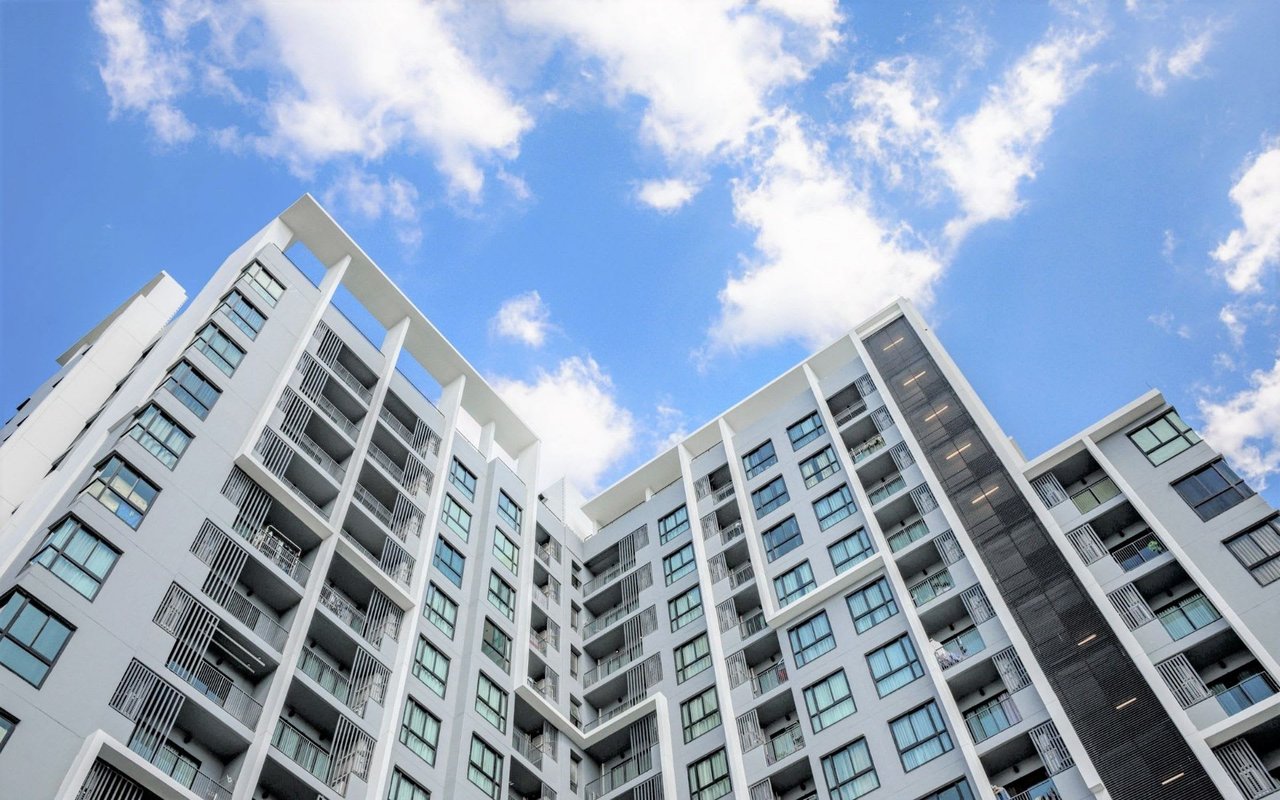
Compare that to a full-amenity tower carrying the same $40,000 line item, or a much larger one. Spread across 150 units, that expense is a rounding error. The tower's $850 monthly assessment is higher, but its shared costs are spread across more units. The three-flat's $275 assessment is lower, while each owner may face a larger share of a capital expense.
Why This Shows Up More in Lincoln Park
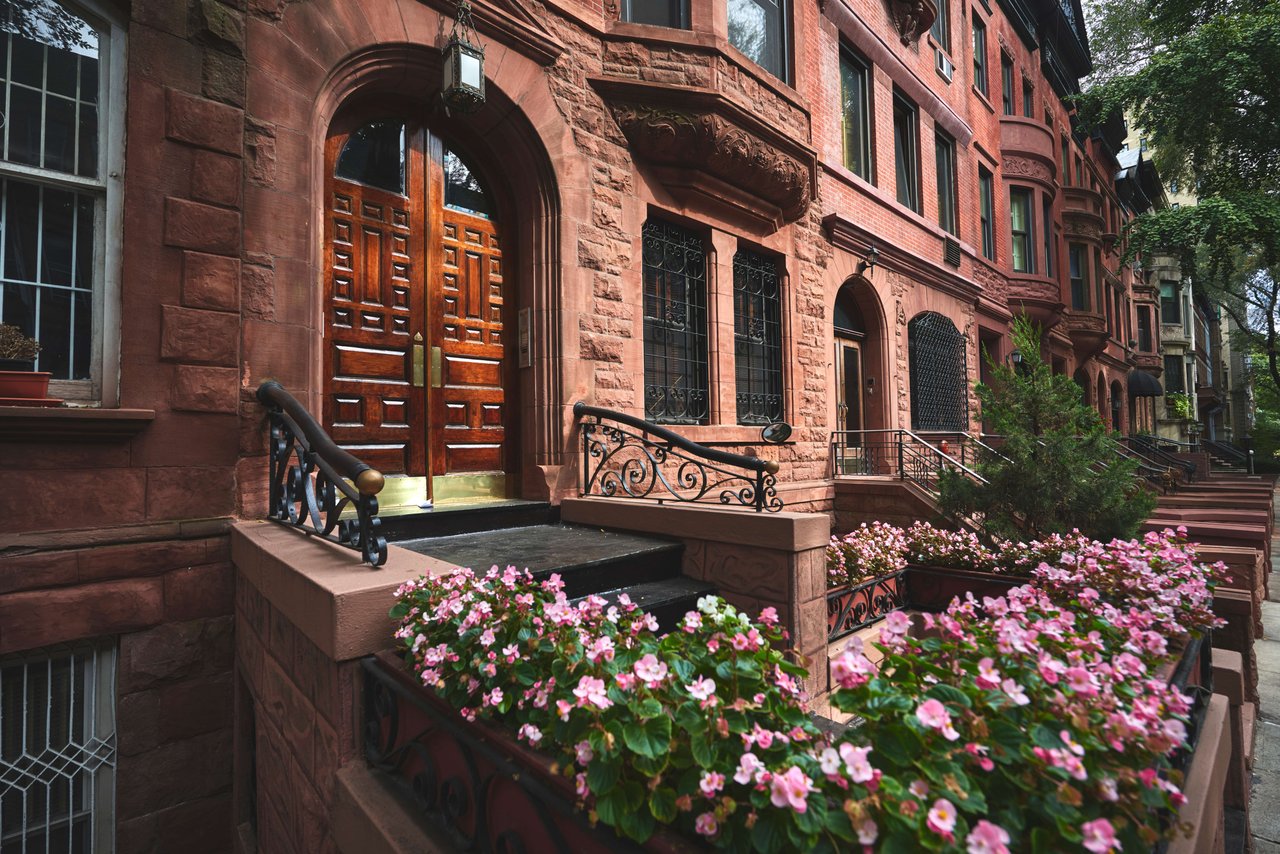
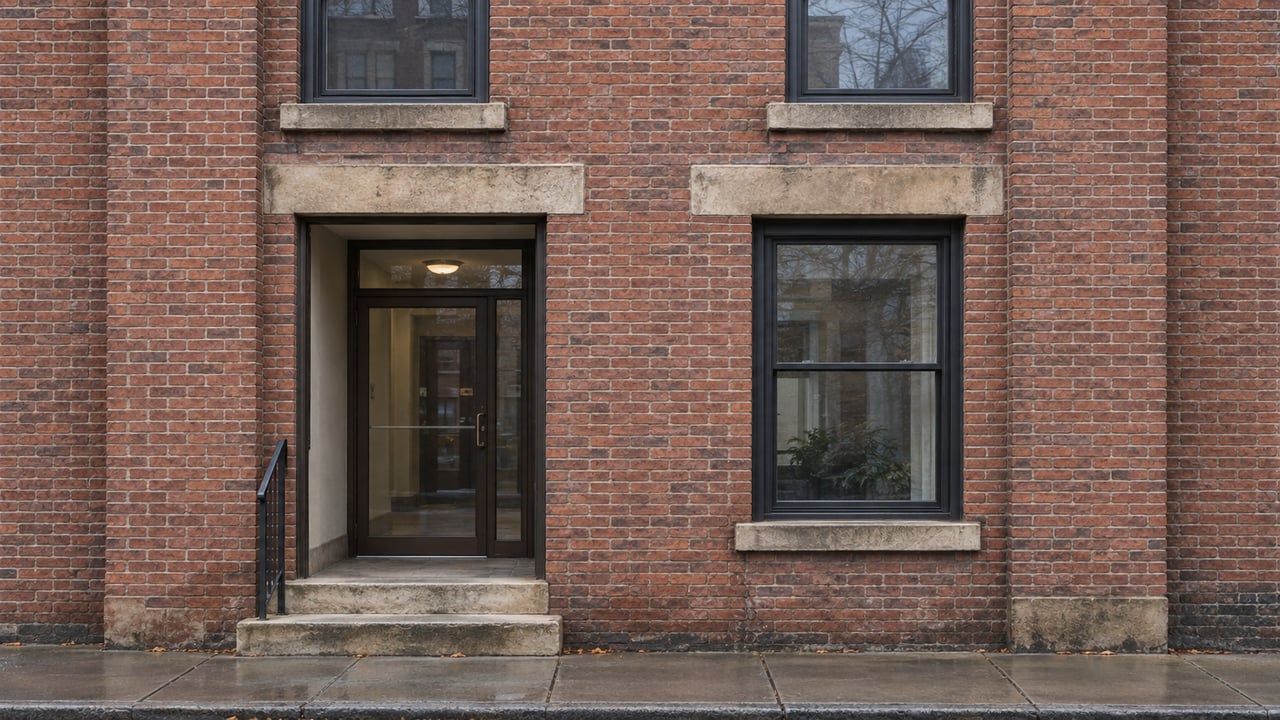
Lincoln Park's housing stock skews toward exactly the building type that makes this risk sharper: greystone conversions, vintage walk-ups, and small elevator-free buildings carved into three, four, or six units decades ago. That's part of what gives the neighborhood its character along Fullerton, Armitage, and the side streets running toward the lake. It's also what makes a citywide sample of active listings this past August, spanning Lincoln Park, Lakeview, Logan Square, River North, Streeterville, West Loop, and South Loop, land on the same conclusion: Lincoln Park's average monthly assessment came in lowest of the seven, and its special assessment volatility came in highest.
That's not a coincidence of location. It's a function of building size. A neighborhood built around small associations will always show lower average dues and bigger, less predictable one-time bills, because there are fewer owners to fund reserves and fewer owners to absorb a surprise when reserves run short.
The masonry itself adds to the exposure. Chicago's swing between sub-zero winters and humid summers stresses brick, mortar, and window seals harder than a moderate climate would, and vintage buildings without elevators still carry roof, tuckpointing, and heating systems that are decades into their expected lifespan. None of that is unique to Lincoln Park. What's unique is having so few owners on hand to split the bill when it comes due.
The Buildings That Break the Pattern
Not every address along the park follows the small-building script. 2626 N Lakeview and 2800 N Lake Shore Drive are two Lincoln Park addresses that function more like Gold Coast towers than like the neighborhood's typical walk-up stock: larger unit counts, professional management, and reserve funding built for elevator modernization and exterior wall ordinance compliance rather than a single roof.
The lesson isn't that lakefront addresses are safer. It's that scale, not zip code, is what determines whether a building can absorb a capital expense without passing a five-figure bill to each owner. A buyer comparing two Lincoln Park listings should be asking how many units are splitting the reserve fund, not just how close the building sits to the water.
| Building type |
Typical monthly assessment |
How a $40,000 capital expense lands |
| Small vintage conversion, 3 to 4 units |
Lower, often under $350 |
Full amount split a few ways, often as a special assessment |
| Full-amenity tower, 100+ units |
Higher, often $850 and up |
Diluted across the reserve fund, rarely felt as a single bill |
What to Pull Before You Write an Offer
The upside is that Illinois law gives buyers a real window to check this before they're locked in. Condo purchases in the state include an attorney review period, and sellers are required to provide a Section 22.1 disclosure, which lays out the association's special assessment history, reserve balances, pending litigation, and delinquency rate. That packet is the single most useful document in the file, and it's worth reading before the review period starts, not during it.
Beyond the disclosure itself, ask for the reserve study and check its Percent Funded figure, the industry benchmark defined by the Community Associations Institute as the actual reserve balance divided by the fully funded balance the building should have given its age and components. A study more than five years old, or reluctance to commission a new one, may warrant questions about reserve planning.
Round out the file with the current year's budget plus the prior two years of financials, six to twelve months of bank statements for both the operating and reserve accounts, and board meeting minutes from the last year or two, which often mention a capital project long before it becomes a special assessment on paper. Lenders review this too. A large or pending assessment can affect loan approval, and some lenders won't let a buyer roll an assessment payment into the mortgage at all, which makes the timing of any pending vote worth confirming with your lender early rather than at the closing table.
Property Taxes Buyers Shouldn't Overlook
Reserve funding isn't the only number that resets on a schedule buyers tend to overlook.
Quick FAQ
Does a low monthly assessment always mean a building is a risk?
Not always, but in a market where small associations are common, a low number deserves the same scrutiny as a high one. The reserve study and Section 22.1 disclosure tell you whether the low dues reflect genuine efficiency or a shortfall waiting to surface.
Can a special assessment be approved after I'm already under contract?
Yes. SpaceMatch says Illinois boards can adopt a special assessment at a properly noticed meeting at any time, and responsibility for a post-contract assessment depends on the language in your purchase agreement. This is worth confirming with your attorney before you sign, not after.
What counts as a healthy reserve percentage?
Buyers generally look for a reserve fund at 70 percent or more of its fully funded balance, alongside a reasonable share of the operating budget, often 20 to 30 percent, going toward reserves each year. A board that consistently underfunds both is more likely to lean on special assessments when a project comes due.
A low assessment on a Lincoln Park listing isn't a red flag by itself. It's a question that hasn't been answered yet. If you're comparing a building's advertised dues against what its reserve fund can actually cover, Luke Sandler can pull the association's financials and walk through them with you before you write the offer.
This article is general information, not legal, tax or financial advice. Consult a qualified professional about your situation.