Wondering whether Lincoln Park is the right place to put down roots? If you are trying to balance space, budget, schools, commute time, and everyday convenience, this neighborhood can look like it checks a lot of boxes at once. The good news is that Lincoln Park offers a very specific kind of family lifestyle, and once you understand the tradeoffs, it becomes much easier to decide if it fits your goals. Let’s dive in.
What Lincoln Park Feels Like
Lincoln Park offers an urban, lakefront lifestyle with strong transit access, dense housing, and a wide mix of retail and services. According to Chicago Public Schools’ Greater Lincoln Park regional overview, the area includes Lincoln Park and nearby neighborhoods, has high housing density, and is served by 11 CTA train stops and one Metra stop. Redfin also rates Lincoln Park as “supremely walkable” with a Walk Score of 94.
For many buyers, that means daily life can feel easier without depending on a car for every errand or activity. You may be able to walk to restaurants, parks, shops, and transit, then spend weekends by the lake or in one of the area’s major public spaces. If your idea of family-friendly living includes convenience, access, and activity, Lincoln Park stands out.
Why Families Consider Lincoln Park
The biggest draw for many households is how much is packed into the neighborhood. You have transit, park space, schools, shopping corridors, and lakefront recreation all in close reach. That can create a more connected daily routine, especially if you want less time in the car and more time enjoying the neighborhood.
Based on the housing mix, transit access, and neighborhood amenities, Lincoln Park is often a stronger fit for families who value walkability, parks, and services than for buyers focused on getting a large detached house at a moderate price. That does not make it better or worse than other options. It simply means the lifestyle here is more urban and more convenience-driven.
Transit Can Simplify Daily Routines
Transit access is a major advantage in Lincoln Park. CTA’s Fullerton Station is an accessible Red, Purple, and Brown Line stop at 943 W. Fullerton, and the 151 Sheridan bus also serves the corridor.
If your family’s schedule includes commuting, school drop-offs, after-school activities, or city outings, that kind of connectivity can matter. Living near multiple transit options may also widen your home search within the neighborhood because you are not limited to one single corridor.
Walkability Supports Everyday Convenience
A high walkability score is not just a nice label. It often translates to practical benefits like easier grocery runs, simpler weekend plans, and less time coordinating rides across town.
In Lincoln Park, many daily needs and leisure options are close together. That setup can be especially appealing if you want your neighborhood to support an active routine rather than requiring constant planning around traffic and parking.
Schools in Lincoln Park
If schools are part of your decision, it helps to know that Lincoln Park is not a one-answer neighborhood. CPS states that elementary families can attend their neighborhood school or apply citywide to other eligible schools. That means school choice may be part of your home search strategy.
Instead of looking at one boundary and assuming the decision is simple, it is smart to think about how school options fit with your housing goals, budget, and commute. Lincoln Park gives families access to several notable public school options, along with broad transit connections.
Lincoln School
Lincoln School is a K-8 neighborhood school with 857 students. CPS describes it as offering a humanities-based curriculum, arts integration, and specialized programs in French, music, art, and instrumental band.
CPS also lists broad CTA access, including buses 134, 143, 151, 156, 22, 36, 37, 73, 74, and 8, plus the Red, Brown, and Purple lines. For families who value transit-connected school access, that may be a meaningful plus.
Newberry Academy
Newberry Academy serves PK-8 and has 286 students. CPS says the school emphasizes mathematically and scientifically integrated opportunities.
Transit access includes buses 37, 72, 73, 8, and N9, along with the Red, Brown, and Purple lines. If you are comparing school logistics as part of your move, those transportation details can help frame the bigger picture.
Lincoln Park High School
Lincoln Park High School serves grades 9-12 and has 2,106 students. CPS states that it is an IB for All school with IB Diploma, Middle Years, and Career Programs, along with magnet programs in visual arts, performing arts, and Advanced College Prep.
The school is also connected by buses 22, 36, 37, 73, 74, and 8, plus the Red, Brown, and Purple lines. For families planning long term, that range of programming may be an important part of the neighborhood conversation.
Parks and Outdoor Space
One of Lincoln Park’s biggest strengths is the scale of its outdoor amenities. Lincoln Park itself is more than 1,100 acres, and the section by the neighborhood includes the Lincoln Park Zoo, Lincoln Park Conservatory, Theatre on the Lake, a rowing canal, the Chicago History Museum, the Peggy Notebaert Nature Museum, the Alfred Caldwell Lily Pool, North Avenue Beach, Oak Street Beach, and multiple playing fields.
That matters because outdoor access is often a major part of family quality of life. Instead of relying on a single small park, you have a broad network of recreation, green space, cultural destinations, and lakefront access nearby.
Everyday Recreation Is Easy
The Lincoln Park Zoo is free and open every day of the year. North Avenue Beach includes a 22,000-square-foot beach house along with bike, kayak, and other recreation options, and the Lakefront Trail runs through several Lincoln Park segments.
For families, that can make weekends and after-school time feel more flexible. You may not need to drive far for fresh air, active play, or a quick outing that breaks up the week.
Dining, Shopping, and Errands
Lincoln Park also makes daily convenience easier through its commercial corridors. Choose Chicago describes Clark Street as a stretch with more than 100 restaurants, boutiques, cafes, and neighborhood businesses. The same source highlights the Armitage-Halsted-Webster corridor as a historic shopping district with boutiques and tree-lined streets.
This is one reason the neighborhood appeals to buyers who want a lot within walking distance. Errands, coffee runs, casual dinners, and weekend browsing can all happen close to home, which supports the urban, connected lifestyle many families are looking for.
Housing Costs and Tradeoffs
Housing is where Lincoln Park becomes more of a personal fit question than a universal yes or no. Redfin’s February 2026 market snapshot shows a median sale price of $750,000, about 56 days on market, and roughly 8 offers per home. Redfin also describes the neighborhood as somewhat competitive.
That means you are often paying for location, access, and lifestyle. If Lincoln Park is on your list, it helps to compare not just price, but what that price buys in terms of housing type, outdoor space, and day-to-day convenience.
Condos Lead the Market
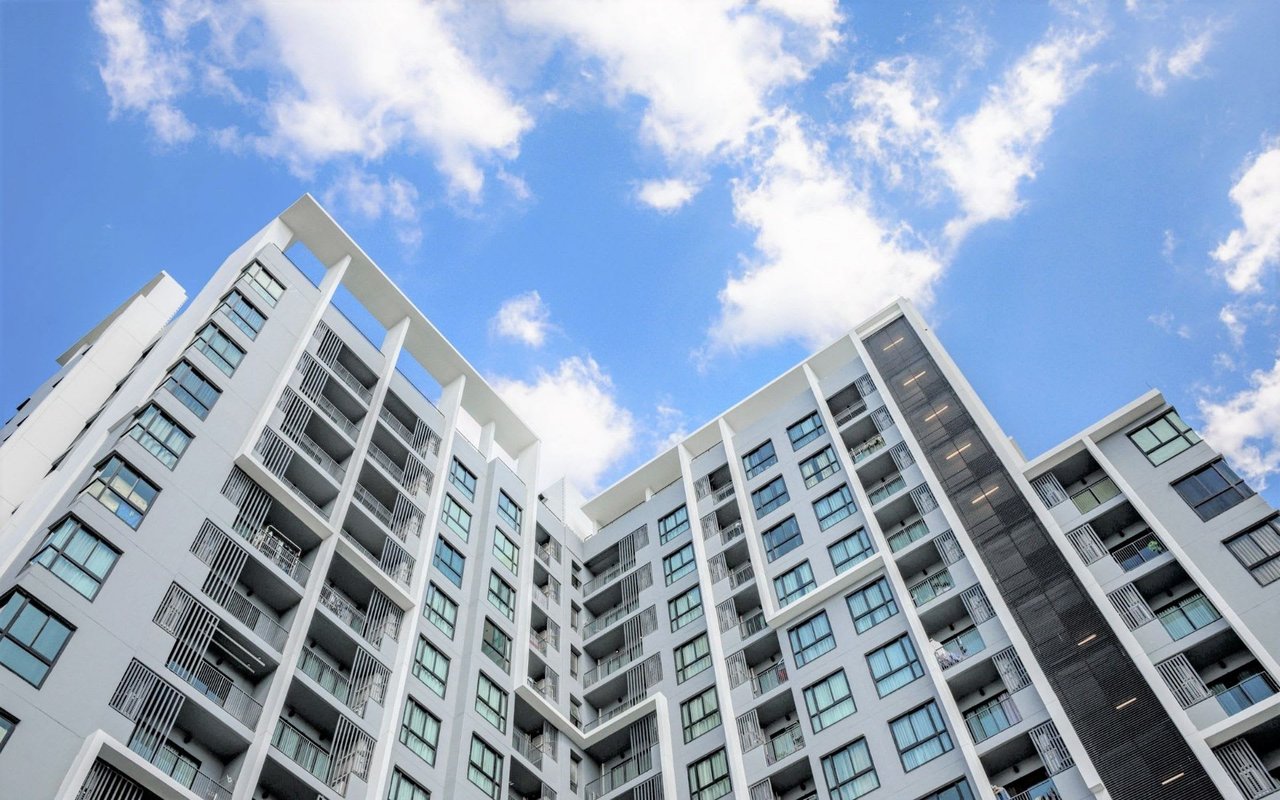
The recent sales mix in Lincoln Park has been heavily weighted toward attached housing, with 189 condos, 16 townhouses, and 7 multi-family units for sale in the prior month, according to Redfin’s neighborhood snapshot. For many buyers, that means condos are the most common path into the neighborhood.
Redfin’s Lincoln Park condo data recently showed median pricing around $600,000 to $672,000. Recent sold examples included a 1-bedroom condo at $277,000, a 2-bedroom condo at $465,000, and larger 2- to 3-bedroom units around $725,000 to $775,000.
Townhomes Offer More Space
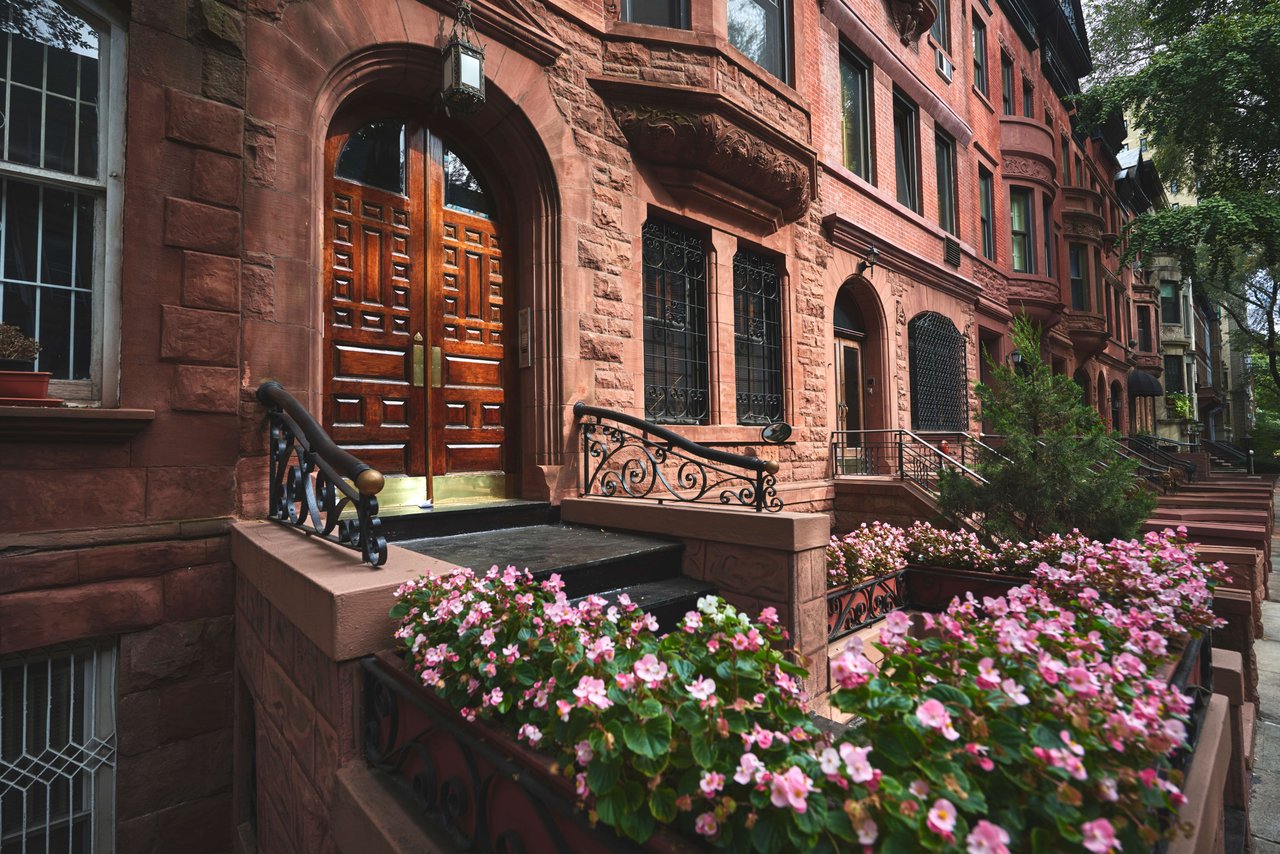
If you want a bit more separation and square footage, townhomes may be worth considering. Redfin recently showed a median townhouse listing price of $985,000.
Townhomes can be a middle ground for families who want more room than a condo often provides, without making the jump to single-family pricing. Still, the cost increase is real, so this option works best when budget and lifestyle priorities line up.
Single-Family Homes Cost More
Detached homes in Lincoln Park are generally at the upper end of the market. Recent Redfin examples ranged from $1.335 million to $3.45 million, while a single-family home example on W. Webster illustrates the higher-end pricing often associated with this housing type.
In practical terms, Lincoln Park can work very well if you are comfortable with condo or townhome living and want strong park and transit access. If your top priority is a detached home with generous yard space and garage space, you should expect a much larger budget.
Is Lincoln Park a Good Fit for Your Family?
Lincoln Park may be a strong fit if you want an urban neighborhood where parks, transit, schools, shopping, and lakefront recreation are all part of everyday life. It can also make sense if you are open to attached housing and see walkability as a real lifestyle benefit, not just a bonus.
It may be a tougher fit if you want maximum space for your budget or if a detached home is non-negotiable. In that case, the neighborhood can still be appealing, but your price point needs to match the housing reality.
A good decision usually comes down to this: are you buying square footage first, or are you buying location and lifestyle first? In Lincoln Park, many families choose the second option because of how much the neighborhood offers day to day.
If you are weighing Lincoln Park against other Chicago neighborhoods, working with someone who knows the block-by-block differences can save you time and sharpen your search. When you are ready to explore the right fit for your budget and goals, connect with Luke Sandler for responsive, concierge-level guidance tailored to your move.
FAQs
Is Lincoln Park in Chicago good for families who want walkability?
- Lincoln Park can be a strong option if walkability is a top priority, since Redfin rates it as supremely walkable with a Walk Score of 94 and the neighborhood offers easy access to shops, dining, parks, and transit.
What types of homes are common in Lincoln Park?
- Attached housing is most common, especially condos, with townhomes also available. Single-family homes exist but usually sit at much higher price points.
Are there public school options in Lincoln Park, Chicago?
- Yes. CPS says elementary families can attend their neighborhood school or apply citywide to other eligible schools, and local options mentioned in this article include Lincoln School, Newberry Academy, and Lincoln Park High School.
How expensive is Lincoln Park real estate?
- Redfin’s February 2026 snapshot shows a median sale price of $750,000, though actual pricing varies widely by property type, size, and location within the neighborhood.
What makes Lincoln Park stand out from other Chicago neighborhoods?
- Lincoln Park stands out for its mix of lakefront access, major park amenities, strong transit connections, walkability, and a dense range of restaurants, boutiques, and everyday services.