Wondering what it really takes to buy your first condo in West Loop? You are not alone. For many buyers, the biggest surprise is that you are not just buying a unit, you are also buying into a building with its own rules, finances, and timeline. This guide breaks down the process, the costs, and the decisions that matter most so you can move forward with more clarity and confidence. Let’s dive in.
Why West Loop condo buying is different
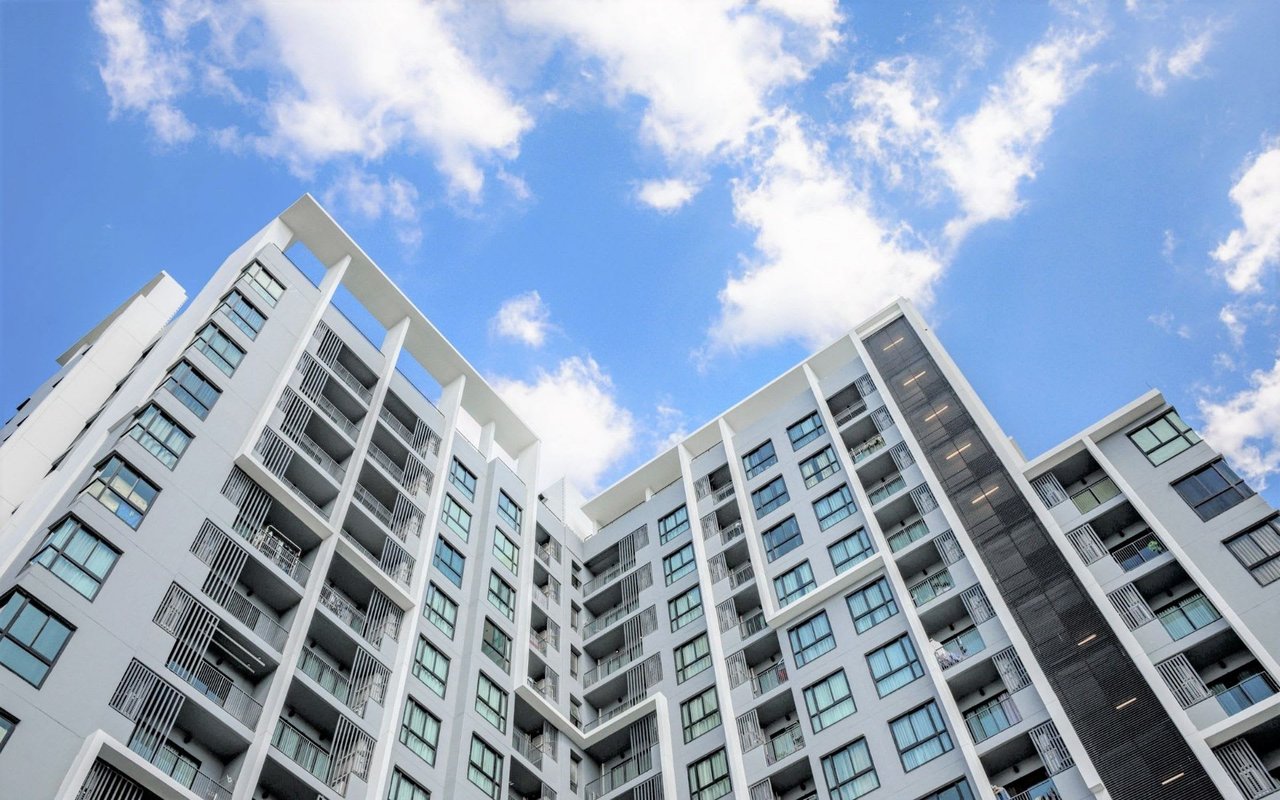
West Loop has a distinct housing mix, and that shapes how you should shop. The neighborhood blends converted warehouse lofts with newer high-rise condos, and recent development has continued to add luxury inventory. That means two homes at a similar price point can come with very different ownership experiences.
In practical terms, the building matters almost as much as the unit itself. Monthly dues, reserve funds, building systems, rules, and planned projects can all affect your costs and your day-to-day life. In West Loop, that building-by-building review is not a side task. It is one of the main decisions in the purchase.
Your West Loop condo timeline
Start with preapproval
Before you seriously tour condos or write an offer, get preapproved. Sellers often want to see a preapproval letter before accepting an offer, and that letter can expire in as little as 30 to 60 days.
Preapproval gives you a working price range and helps you move quickly when the right condo appears. It also helps you avoid falling in love with a building or unit that does not fit your financing comfort zone.
Expect about 30 to 45 days after acceptance
Once your offer is accepted, a financed condo purchase in Chicago often takes about 30 to 45 days to close. That timeline can work smoothly, but condo deals have a few extra review points that can slow things down if they are not handled early.
One of the biggest is the condo document package. In Illinois, the Section 22.1 disclosure packet should be requested early because the association has 10 business days to provide it after a written request.
Build in time for final loan review
As you move toward closing, your lender must provide the Closing Disclosure at least three business days before closing. This gives you time to review your final loan terms and confirm your cash-to-close number.
At the end of the process, transfer taxes and filings must be handled before the deed can be recorded. That is one more reason to stay organized and keep documents moving on schedule.
A simple step-by-step purchase path
Here is the basic flow most first-time West Loop condo buyers should expect:
- Get preapproved before serious shopping.
- Tour units and compare buildings, not just layouts.
- Submit an offer with financing and inspection contingencies.
- Request the Section 22.1 condo disclosure package early.
- Review inspection results, financials, rules, and planned building expenses.
- Finalize your loan and review your Closing Disclosure.
- Close and complete transfer-tax and recording steps.
What your upfront costs may look like
Down payment and closing costs
Many buyers need at least 3 percent down, and closing costs often add another 2 to 5 percent of the purchase price. On a $500,000 condo, that could mean roughly $15,000 down plus about $10,000 to $25,000 in closing costs, not including moving expenses or updates after closing.
That range is why it helps to think in terms of total cash needed, not just the down payment. A condo that feels affordable on paper can still stretch your budget if you have not planned for the full closing picture.
Earnest money
Earnest money is your good-faith deposit after the contract is signed. If the transaction closes, that money is typically applied toward your closing costs or down payment.
If you fail to perform and no contingency protects you, you may lose that deposit. That is why contingencies and deadlines matter so much, especially if you are buying for the first time.
Chicago transfer taxes
Transfer taxes are a major line item in Chicago. The combined city, CTA, Illinois, and Cook County transfer-tax stack equals $6 per $500 of the purchase price, or 1.2 percent.
On a $500,000 condo, that total transfer-tax burden is $6,000. Even when buyers and sellers negotiate who covers which costs, you should know this number early because it affects your total funds needed for closing.
Prepaids, escrow, and title charges
Your Closing Disclosure can also include prepaids, government fees, and your initial escrow payment at closing. In Chicago, escrow may matter for property taxes, insurance, and HOA dues.
Title-related costs also matter. Title services can often be shopped, and buyers who compare options may save money. You should also discuss owner’s title insurance, which protects your financial interest in the property.
The most important decision: the building
Why the Section 22.1 packet matters
For a West Loop condo, the Section 22.1 disclosure package is one of your most important due-diligence tools. It can include the declaration, bylaws, rules, liens, anticipated capital expenditures, reserve fund status, financials, litigation, insurance information, and alteration-compliance details.
That is a long list, but the takeaway is simple. This packet helps you understand what you are stepping into before you close.
What to look for in the documents
As you review the packet, pay close attention to the building’s reserves, upcoming projects, and overall financial condition. Strong reserves and modest near-term capital plans are generally more reassuring than thin reserves and large upcoming projects.
This is not just about whether the building looks good today. It is about whether future costs could rise through special assessments, increased dues, or major repairs.
Rules and prior unit work
Condo rules deserve careful review too. The packet can help show whether prior work inside the unit appears to comply with building requirements, which matters if a seller remodeled the kitchen, moved walls, or made other changes.
You should also understand pet rules, leasing rules, move-in procedures, and renovation restrictions before you commit. These policies can affect your lifestyle, flexibility, and future plans.
West Loop lofts versus newer high-rises
West Loop buyers often compare older loft buildings with newer amenity-rich towers. That is not just a style choice.
Older lofts may come with different building systems, sound expectations, and maintenance patterns. Newer high-rises may offer more amenities, but those features can also mean higher monthly dues. Instead of assuming all West Loop condos operate the same way, compare each building on its own terms.
Key offer decisions for first-time buyers
Keep the right contingencies
A first condo purchase can move fast, but speed should not replace protection. Financing and inspection contingencies can give you the right to walk away if the loan falls through or serious defects show up.
Those protections matter even more in condo purchases, where your risk is tied to both the unit and the building. A polished lobby or great view should never replace document review and inspection.
Do not choose a lender too early
Getting preapproved early is smart, but you do not have to lock into your final lender before you have official Loan Estimates to compare. That gives you a better chance to review your options and understand your true loan costs.
A disciplined process can save money and reduce surprises. It also helps you make a stronger decision when you are already juggling inspections, disclosures, and moving plans.
Ask smart questions on new construction
If you are looking at new construction in West Loop, ask about builder deposits and the conditions under which those deposits are refundable. Newer inventory can be appealing, but the contract terms still deserve close attention.
This is especially important if the building is still being delivered in phases or if completion timing could shift. Clear expectations upfront can protect both your budget and your timeline.
How to stay organized and confident
A first purchase feels more manageable when you break it into the right checkpoints. Focus on three things: your financing, the building review, and your cash-to-close.
If you stay ahead on those three, you will be in a much stronger position to make calm decisions under pressure. In a neighborhood like West Loop, that preparation can be the difference between a stressful scramble and a smart buy.
The right guidance also matters. In a condo-heavy neighborhood, local experience with building rules, HOA review, and settlement coordination can make the process smoother from search to closing.
If you are planning your first West Loop condo purchase and want a clear, strategic game plan, Luke Sandler can help you compare buildings, understand the numbers, and move with confidence.
FAQs
How long does a West Loop condo purchase usually take?
- A financed condo purchase in Chicago often takes about 30 to 45 days after offer acceptance, though condo document review and financing steps can affect the schedule.
What costs should first-time West Loop condo buyers plan for?
- You should plan for the down payment, closing costs, earnest money, transfer taxes, prepaids, escrow funding, title charges, moving costs, and any post-closing update budget.
What is the Section 22.1 disclosure packet for an Illinois condo?
- It is the condo disclosure package that can include rules, bylaws, financials, reserve information, insurance details, pending litigation, unpaid assessments, and planned capital expenditures.
Why does the building matter so much in a West Loop condo purchase?
- In West Loop, buyers often choose between converted loft buildings and newer high-rises, and each building can differ in reserves, systems, dues, rules, amenities, and future project risk.
How much are Chicago transfer taxes on a condo purchase?
- The combined city, CTA, Illinois, and Cook County transfer-tax burden totals 1.2 percent of the purchase price, which equals $6,000 on a $500,000 condo.
What should first-time buyers compare besides the condo unit itself?
- You should compare the building’s reserve funds, planned capital projects, monthly dues, rules, insurance information, litigation history, and whether prior unit alterations appear compliant.