Curious if a Chicago coach house could turn your backyard into steady income? You are not alone. ADUs can boost returns or offset a mortgage, but success comes down to zoning, permitting, costs, and rent that actually pencils. In this guide, you’ll learn what to verify first, how permits work, the biggest cost drivers, financing paths, and sample returns so you can make a smart call. Let’s dive in.
Coach house ADUs at a glance
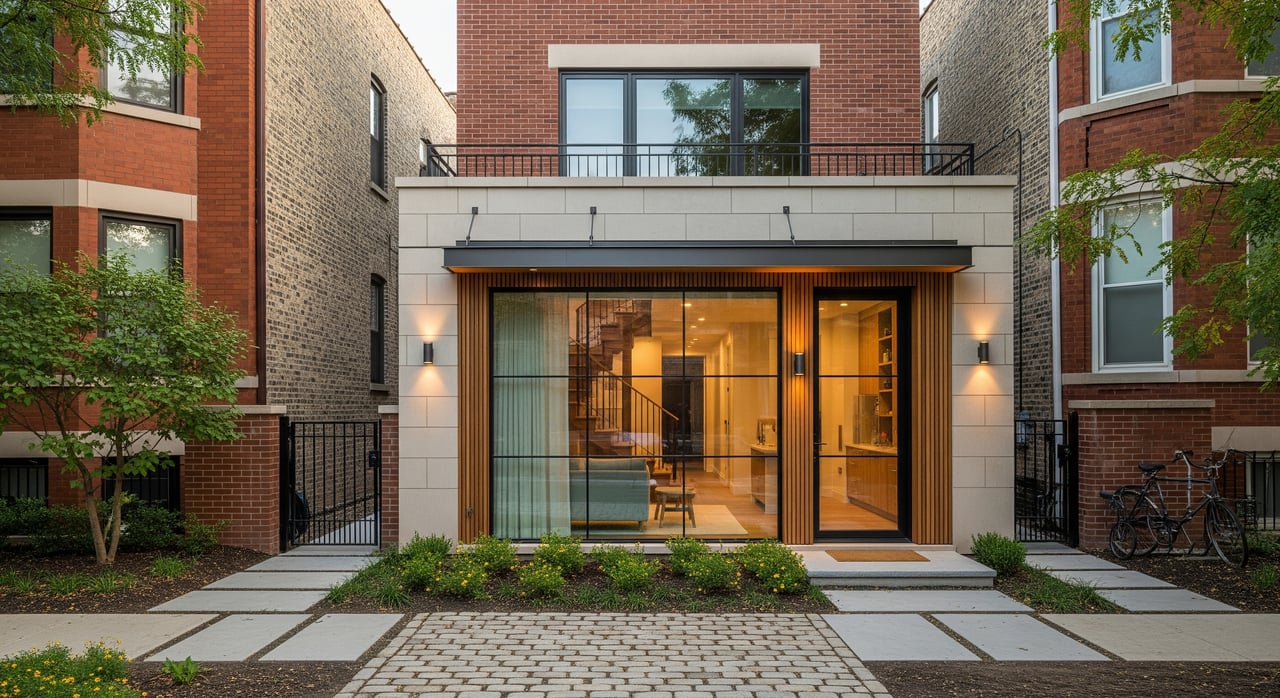
A coach house is a detached accessory dwelling in the rear yard, often near the alley. Chicago recognizes multiple ADU types, but this article focuses on detached coach houses. Where and how you can build depends on your property’s zoning district, lot size and coverage, setbacks, alley access, and whether your site falls under any special overlays.
Because policy can change and interpretations vary by ward and parcel, always confirm current rules in the City’s zoning code and with permitting staff before you spend on design. Start with the Chicago Zoning Ordinance in Municipal Code Title 17 and the Department of Buildings for permits and inspections.
Confirm zoning and overlays first
Before you model returns or talk to lenders, verify eligibility for a coach house on your specific lot.
- Check your zoning district and whether coach houses or accessory dwelling units are allowed, conditional, or not permitted under that category.
- Review lot coverage, floor area, and height limits that control the coach house size and footprint.
- Measure setbacks and rear and side yards to define the buildable envelope.
- Confirm alley access. Rear access often simplifies parking and utility routing.
- Identify any existing nonconformities on the primary building. If it already violates setbacks or coverage, you may need a variance to add an ADU.
- Screen for historic overlays or landmark status. Design review or outright limits may apply.
- Map easements and utility constraints. Sewer, stormwater, or utility easements can block construction.
- Review HOA rules or deed restrictions, if applicable. Some covenants limit rentals or extra dwellings.
If you need clarity, speak with zoning staff and plan reviewers. The Department of Buildings provides permit guidance, plan review, and inspections. Start with the Chicago Department of Buildings and refer back to Municipal Code Title 17 for definitions and use standards.
Historic and conservation areas
If your property is landmarked or inside a historic district, expect additional review. Contact the City’s preservation office early to understand design constraints. Learn more at Chicago Landmarks.
Permitting basics in Chicago
Once zoning looks viable, outline your permit path so you can budget time and soft costs.
- Pre-application zoning check: Confirm the use and whether a variance or special use is needed.
- Architectural and site plans: Prepare dimensioned site plans, elevations, and code-compliant life-safety details.
- Building permit applications: Submit structural, mechanical, electrical, and plumbing plans for review. Licensed professionals typically must stamp plans.
- Plan review and corrections: Reviews can take weeks to months depending on complexity and workload.
- Trades permits and inspections: Electrical, plumbing, and HVAC staff pull separate permits. You will need final approvals and a certificate of occupancy or completion to rent legally.
- Addressing and egress: Confirm proper addressing, exits, and detectors per dwelling requirements.
- Utility service and metering: Chicago’s policies vary by utility and project. Separate meters can simplify tenant billing but may raise cost and coordination. Engage utilities early, including ComEd, Peoples Gas, and the City’s Department of Water Management.
Common pitfalls to avoid
- Assuming an accessory building can be used as a dwelling without specific approval for that use.
- Overlooking parking and curb cut limits, which can trigger added approvals.
- Underestimating plan review time, historic design review, or ward-level design input.
- Forgetting the impact of higher property taxes and insurance on your pro forma.
Costs that drive your budget
Coach houses are small, but they require full mechanical, electrical, plumbing, and foundations. Budget with a realistic breakdown and include contingency.
- Site work and foundation: Soil conditions, demolition, and drainage can move the needle fast.
- Structure shell: Framing, cladding, and roofing; structural complexity and materials set your baseline per-square-foot cost.
- Interior systems and finishes: Kitchens, baths, HVAC, electrical panels, and hot water for a fully separate unit.
- Utility extensions: Water, sewer, gas, and power runs from the main to the rear can be costly, especially with pavement cuts or long trenching.
- Access and exterior: Driveways or pads, permeable pavers, lighting, fencing, and landscaping.
- Soft costs: Architect and engineering, permit fees, plan corrections, and potential impact fees.
- Site-specific extras: Alley work, retaining walls, stormwater management, or special foundations on soft soils.
Plan for construction inflation and variability by modeling multiple finish tiers and getting two to three local bids. Include a 10 to 20 percent contingency along with allowances for utilities and foundation surprises.
Typical range guidance
Exact costs vary by size, finish level, and site conditions. Garage conversions or interior ADUs can be lower cost. New detached coach houses tend to run higher. Use local contractor quotes to anchor your plan and refresh numbers before you commit.
Financing, taxes, and insurance
You have several ways to fund an ADU. Underwriting standards differ, so talk to lenders early.
- Cash or equity: Cash, a cash-out refinance, a HELOC, or a home equity loan are common for owner-occupants.
- Renovation and construction loans: Construction-to-permanent or rehab loans, including options like FHA 203(k) for eligible properties, can work with the right lender.
- Investor loans and portfolio lenders: Some community banks and portfolio lenders finance ADUs, but terms vary for new construction and unit counts.
- Condo or 2–4 flat considerations: Confirm lender acceptance if your project changes unit counts.
- Incentives: Programs for ADUs are rare. Check City of Chicago and State of Illinois resources for any pilots or energy incentives.
Taxes and insurance will change your returns, so model them upfront.
- Property tax reassessment: New living area and rental use can increase assessed value. Consult the Cook County Assessor’s Office to understand impacts.
- Income taxes: Rental income is taxable. You can typically deduct allowable expenses like depreciation, maintenance, and interest. Consult a CPA.
- Insurance: Expect landlord or add-on coverage for a detached unit. Consider higher liability limits or an umbrella policy.
Estimating rent and return potential
Start with local comps for studio and one-bedroom units in your immediate area. Detached coach houses can command a premium for privacy and separate entries, but they are often smaller. Clarify whether tenants pay utilities and whether you will have separate meters to calculate net-effective rent.
Short-term rental can boost gross income but adds turnover, management, and licensing complexity. Long-term leases tend to offer stability. Pick the path that matches your risk tolerance and time.
Example scenarios for Chicago investors
The following examples are illustrative templates. Replace numbers with local contractor bids and current rent comps before making decisions.
Key takeaways on returns
- Financing cost and cap rate matter a lot with small units. Cheaper capital or cash improves outcomes.
- ADUs can lift overall property yield without buying another building, but payback is usually multi-year.
- For owner-occupants, reducing your mortgage burden and adding flexibility can justify longer paybacks.
Run the numbers: quick worksheet
Use this checklist to evaluate any coach house deal.
- Inputs to gather: construction cost estimate; realistic rent comps; vacancy rate; operating expense percentage; added property tax estimate; insurance increment; financing terms (rate, term, LTV); expected appreciation; target ROI or payback period.
- Break-even monthly rent = (debt service + operating expenses + vacancy allowance + reserves) / 12.
- Cash-on-cash return = annual pre-tax cash flow / cash invested.
- Simple payback = cash invested / annual pre-tax cash flow.
- Incremental cap rate = incremental NOI / incremental cost.
- Sensitivity: model rents ±10 to 20 percent and construction costs ±15 to 25 percent to stress test your plan.
Practical design and operations tips
- Design for efficiency: Simple rooflines, compact footprints, and standard material sizes reduce waste and cost.
- Right-size systems: Standardize mechanicals where allowed, but check code and metering rules.
- Choose durable finishes: Keep initial cost modest while meeting tenant expectations.
- Address mobility and storage: If street parking is tight, consider secure bike storage and highlight transit access in your marketing.
- Consider owner-occupancy rules: Some financing programs have occupancy requirements; confirm before closing.
Next steps and local resources
If you are serious about a coach house, sequence your due diligence to save time and money.
- Verify zoning and overlays for your parcel in Municipal Code Title 17 and confirm with zoning staff.
- Contact the Chicago Department of Buildings to understand permit submittals and review timelines.
- Check your property’s assessment history and likely tax impact with the Cook County Assessor’s Office.
- Order a site survey to locate easements, lot lines, utilities, and alley access.
- Get two to three contractor bids and at least one architectural/engineering proposal.
- Speak with a lender early to confirm financing and whether ADU income will be recognized in underwriting.
- If applicable, coordinate with preservation staff using the City’s Chicago Landmarks resources.
- Engage utilities early for service planning: ComEd, Peoples Gas, and the Department of Water Management.
When you are ready to evaluate properties or model returns on a specific address, partner with a local advisor who knows the zoning landscape and rental comps.
Ready to explore your coach house strategy?
You deserve straight answers, local comps, and a clear plan that fits your goals. If you want help sourcing ADU-friendly properties, pressure-testing a budget, or positioning your rental for the best tenant pool, connect with Luke Sandler. Luke pairs investor-minded analysis with concierge-level service across Chicago’s urban neighborhoods and inner suburbs.
FAQs
What is a coach house ADU in Chicago?
- A coach house is a detached dwelling in your rear yard that functions as a separate residential unit, subject to zoning, life-safety, and permit requirements.
Where can I build a coach house in Chicago?
- Eligibility depends on your zoning district, lot coverage, setbacks, and any overlays or historic designations; confirm in Municipal Code Title 17 and with the Department of Buildings.
How long does permitting take for a coach house?
- Plan review timelines vary by project complexity and workload; expect weeks to months with potential correction cycles before final approvals.
Do I need separate utility meters for a coach house in Chicago?
How will a coach house affect my Cook County property taxes?
- Added living area and rental use can raise assessed value. Consult the Cook County Assessor’s Office for guidance and model higher taxes in your pro forma.
Are coach houses allowed in Chicago historic districts?
- They may face design review or restrictions. Confirm early with the City’s preservation staff via Chicago Landmarks.